
proyectos | Viabizzuno progettiamo la luce
descubre todos los proyectos y trabajos de Viabizzuno en colaboración con los más importantes arquitectos y proyectistas del mundo.


 es
es
treviso tiramisù
ubicaciòn:treviso, italy
proyecto:paolo lucchetta + retaildesign
foto:marco zanta
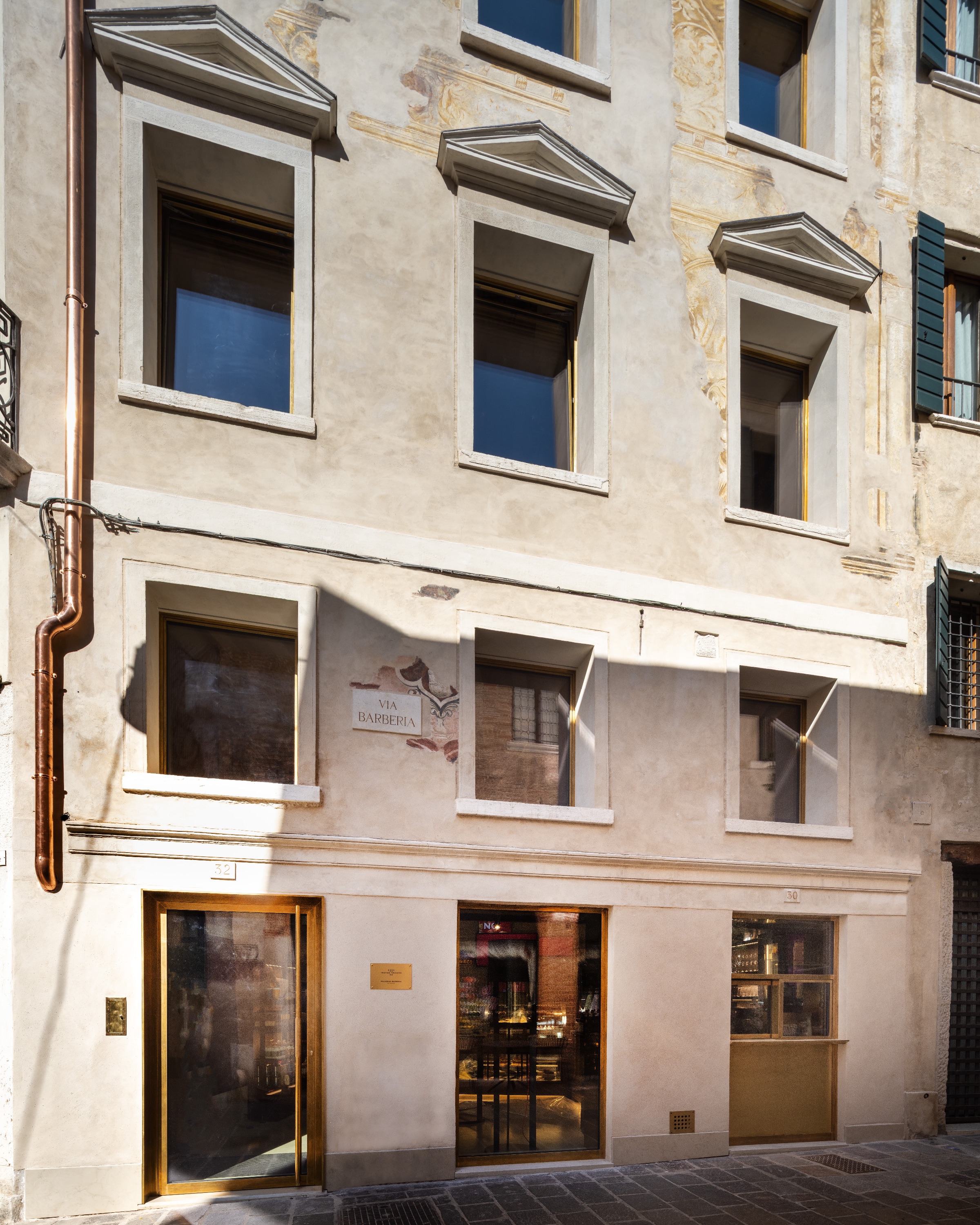
there are few countries where food is an instrument of knowledge, communion and communication, as they are in italy. it is therefore not surprising that in the heart of treviso stands a temple to tiramisù: palazzo barberia, an old building in which memory and modernity meet, that tells the story of the city. in its halls, one of the worl’'s best-loved desserts is celebrated in all its forms.
the project for the redevelopment of this site was carried out by the paolo lucchetta + retail design studio, while the restoration project was supervised by paolo arveda. the search for a dialogue between historical memory and the modernity of the redevelopment was the guide for all the design choices, supported by the vision of an enlightened entrepreneur who believed in the generative possibilities of architecture.
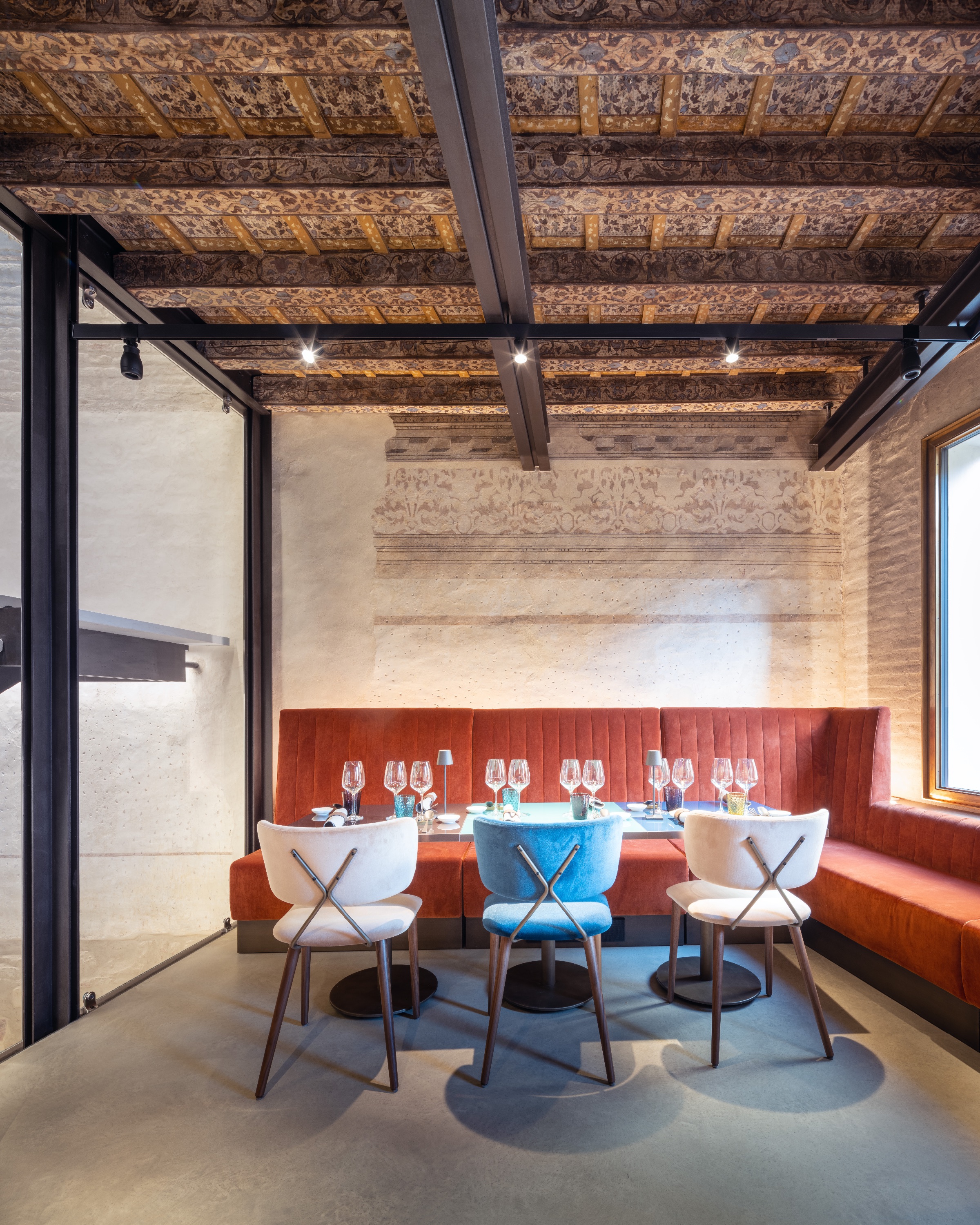
the renaissance structure features a rich decorative system of frescoes on the one hand, and a material pauperism in the wood and brick construction, typical of the buildings of the veneto region, on the other.
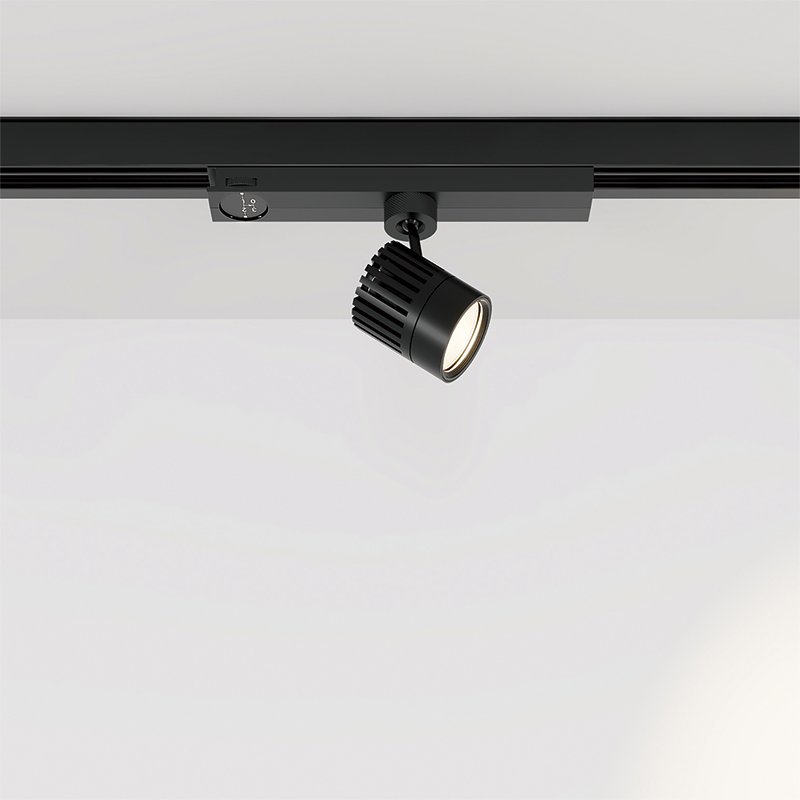
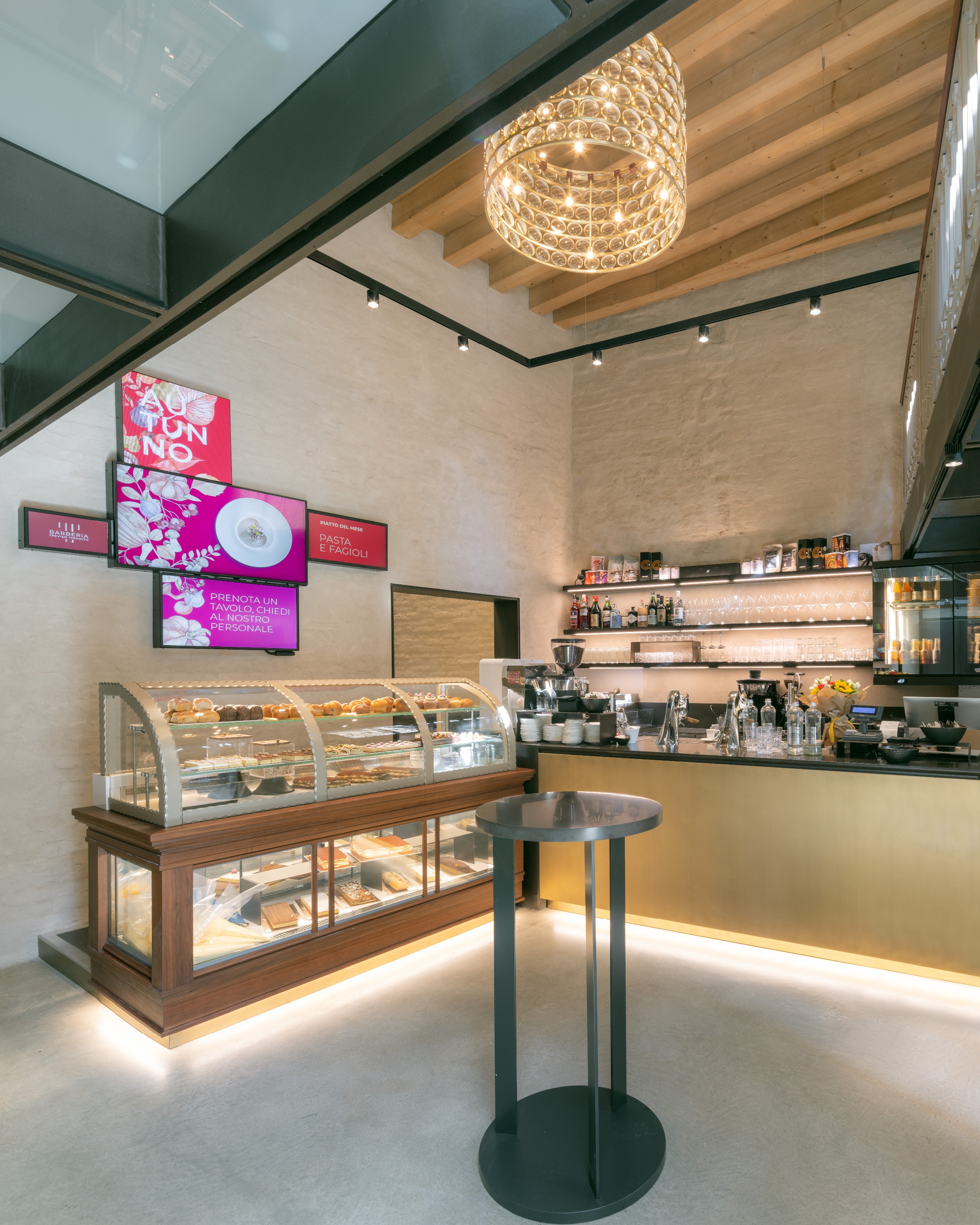
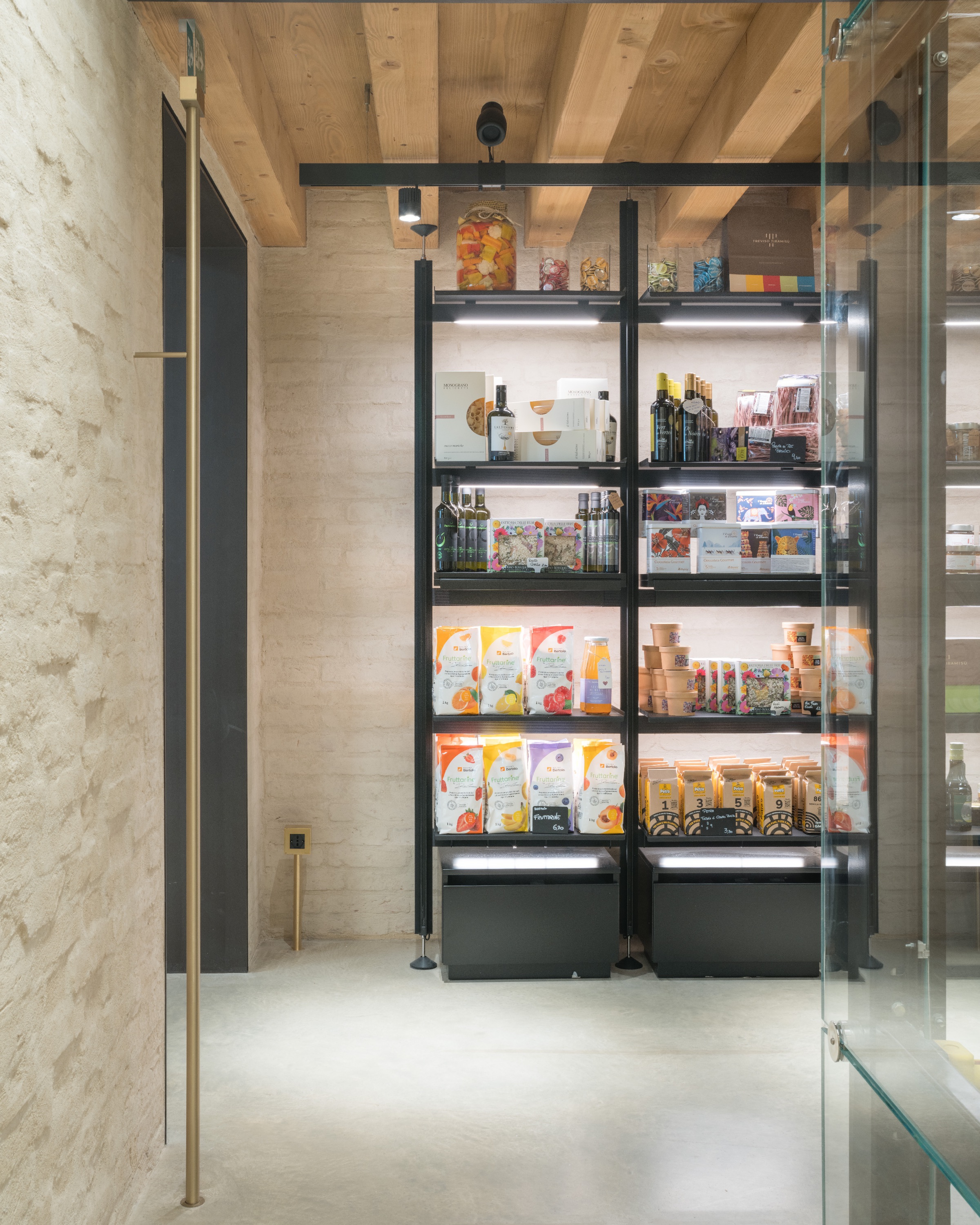
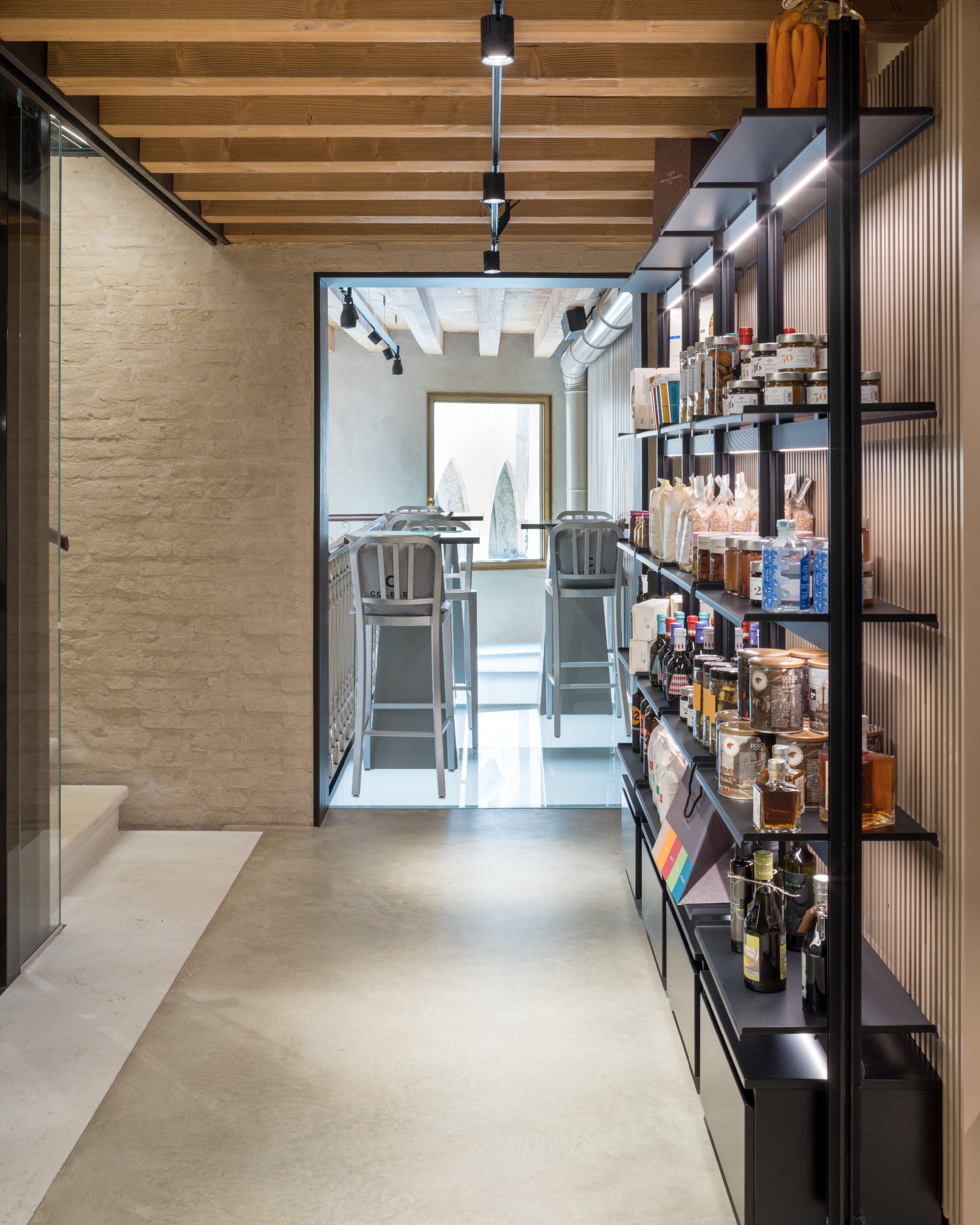
the sequence of floors in the building ideally follows the sequence of the public, social and private functions that each space fulfils. the ground floor is dedicated to the display of artisanal products on large counters that have the feel of tradition but conceal sustainable technology. above the entrance, between the light wooden beams, can be found da ma sospensione, an iconic chandelier that creates ever-changing plays of light with its infinite crystal lenses. a precious aesthetic that gives a nod to the past in terms of shape and materiality. around it, a tracciameno frame with ecomini spotlights provides light to the room and the counter, behind which glasses, bottles and packages of fine coffee find their place on mensolona with integrated linear light.
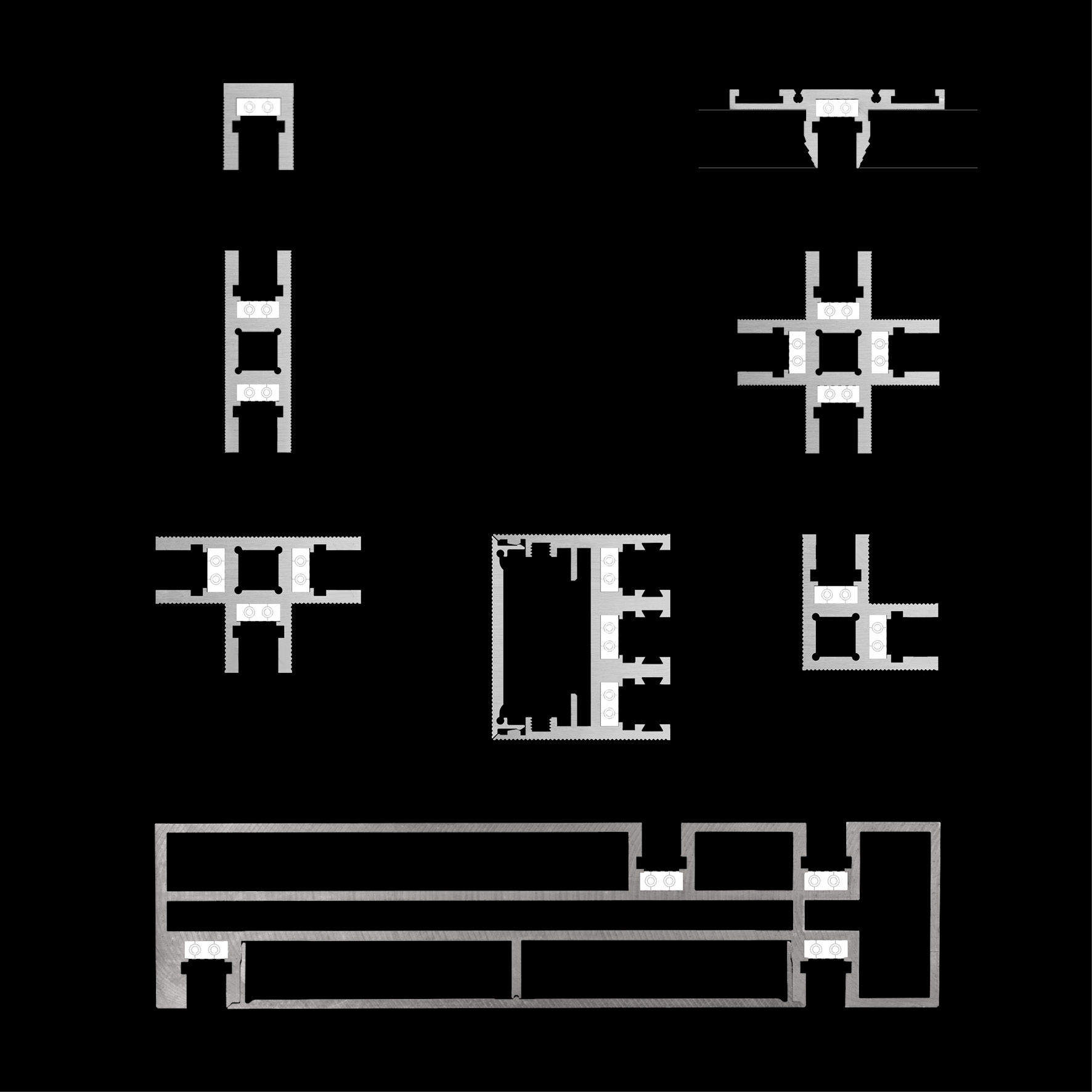
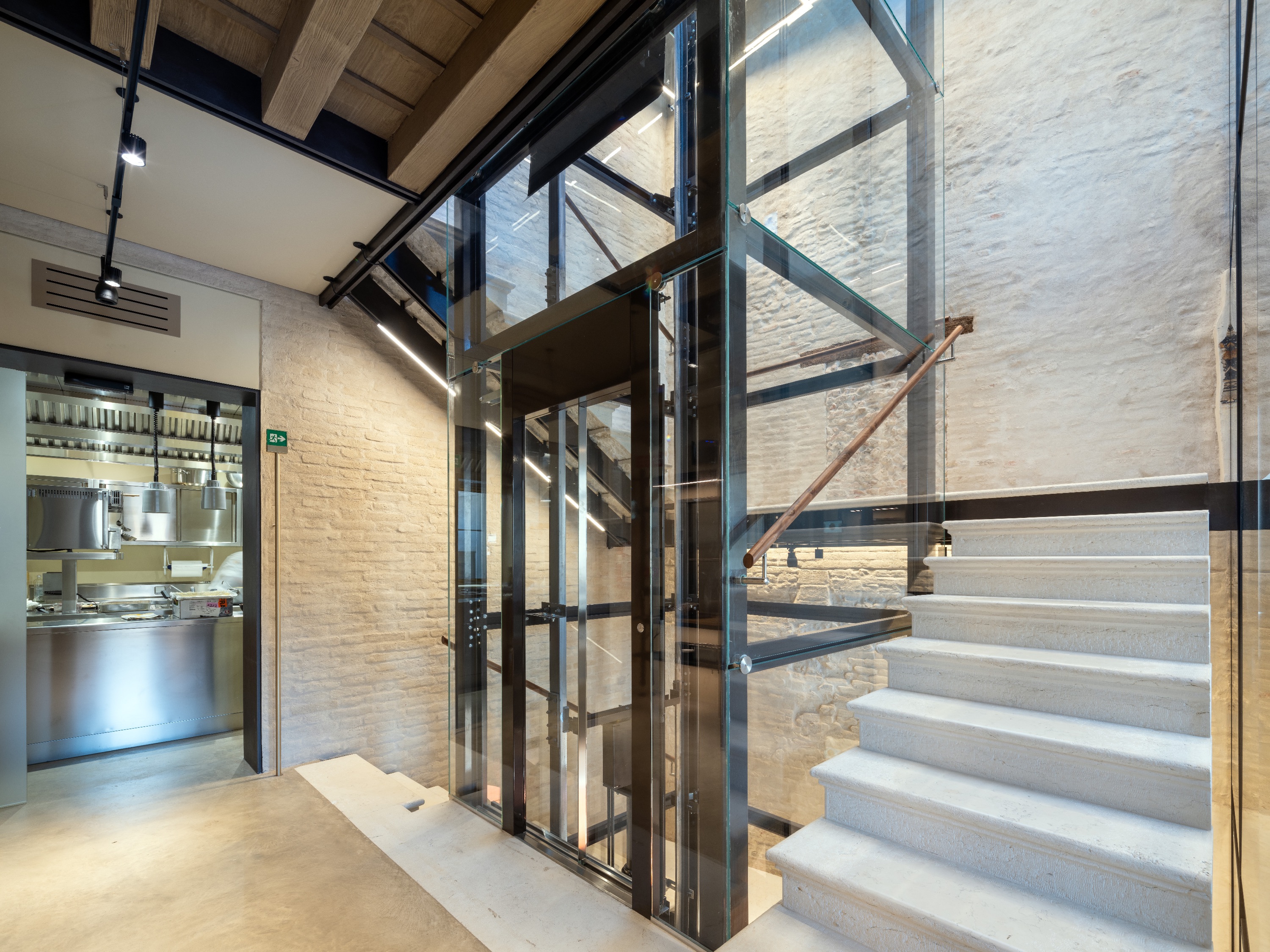
the use of traccia sistema was the answer to many of the design challenges that the transformation of this building presented: in addition to accent and diffuse lighting to enhance the frescos, it made possible to bring electricity to every floor, and in particular the tracciameno proved to be the perfect support for wiring the sound system throughout the building. being a listed historic building, in many spaces it was not possible to use walls and ceilings for the installation of light fittings and electrical sockets. this is why the ticablo system was selected, which makes it possible to exploit the level below the floor to carry cables wherever they are needed. with small holes in the floor, it was therefore possible to install sockets and trasparenze, specially designed lighting solutions for emergency signage.
in the stairwell that crosses and joins the floors, a c2 sistema with 13x8 was used to also works in an emergency.
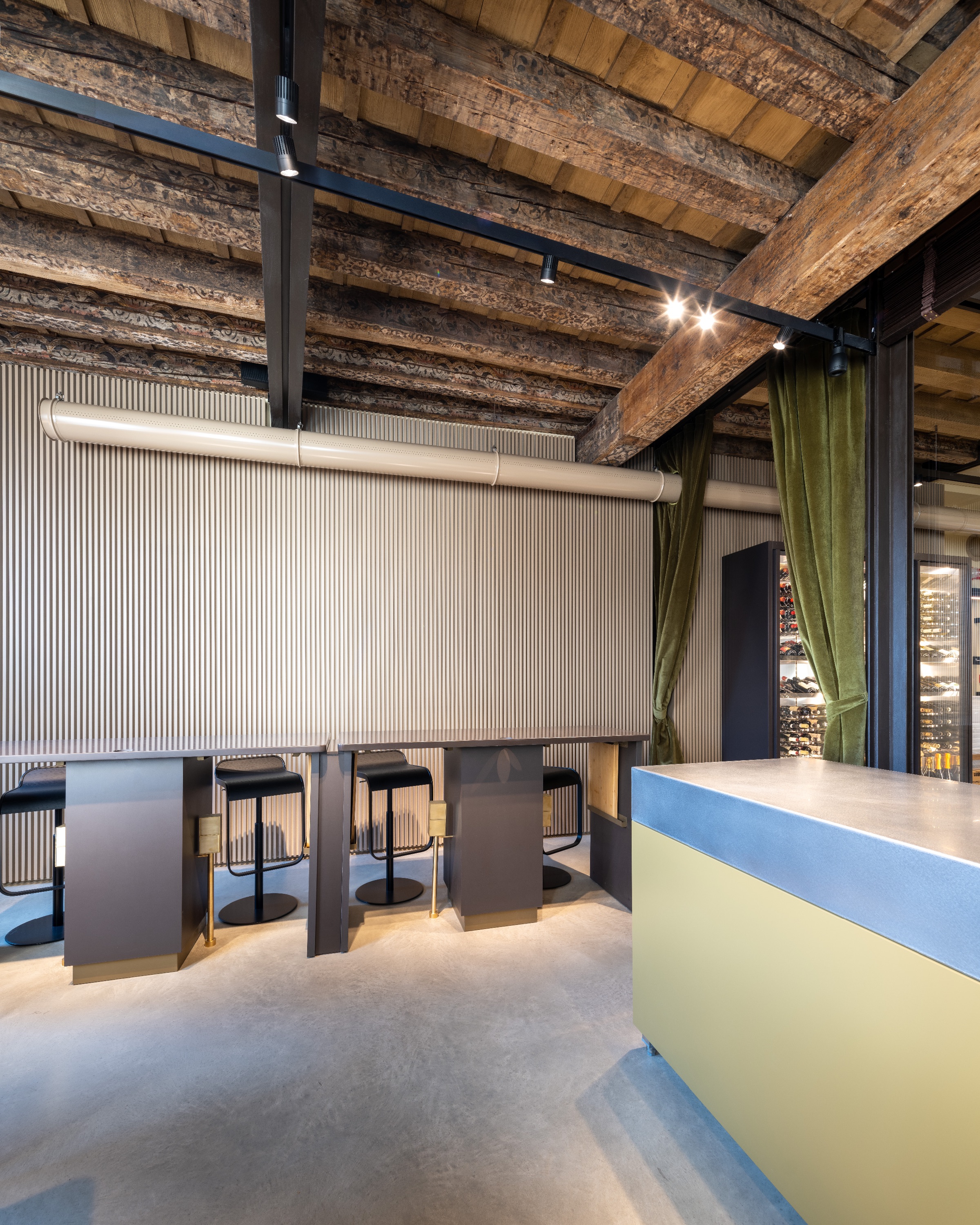
the first floor is dedicated to the pleasure of tasting: the sociability that comes from sharing a meal is created under tracciameno tracks that exploit the texture of the original, richly decorated and skilfully preserved wooden beams, an example of how technology can, not only integrate into history, but enhance it. the warm tones of the finishes and furnishings chosen for these rooms blend harmoniously with the colours of the decorations and antique materials.
in the passageways, customised traccia sistema display structures have been created with integrated linear lighting. the remaining floors are for experimentation, for learning and for expanding the vision and experience through immersive multimedia spaces.
Viabizzuno's lighting design reflects all this: respect for memory and tradition through advanced, flexible and sustainable technological solutions.
scroll


 Page loaded in: 0.078 - Powered by Simplit CMS