
projects | Viabizzuno progettiamo la luce
discover all the Viabizzuno designs and projects in collaboration with the world’s leading architects and designers.


 en
en
mari d'oriente
place:salsomaggiore terme, parma, italia
project:emilio faroldi associati, parma - milano
buyer:terme di salsomaggiore e di tabiano s.p.a.
lighting project:marionanni
foreman:emilio faroldi associati, parma – milano
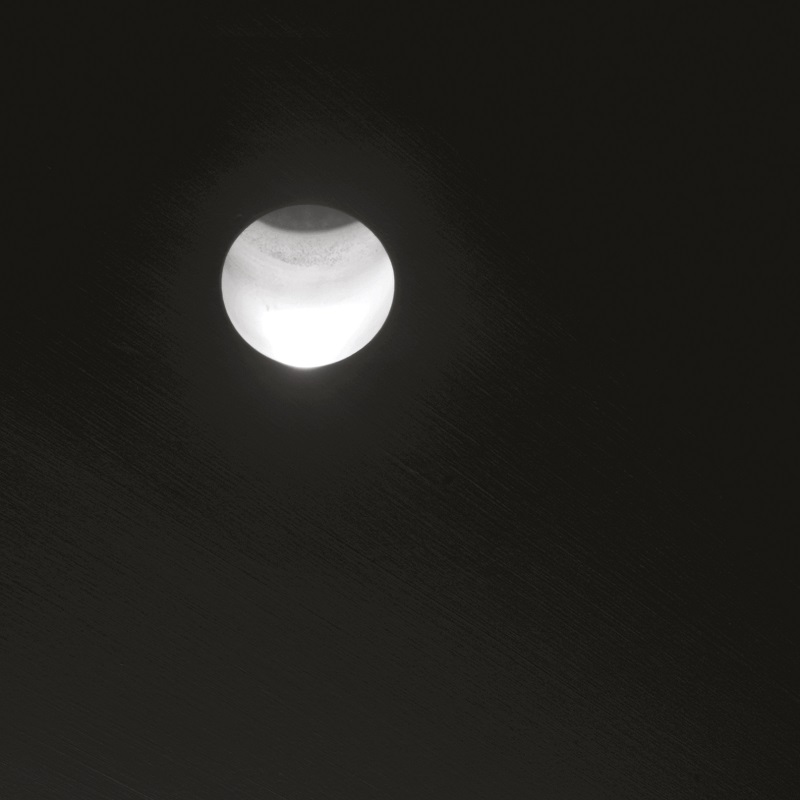
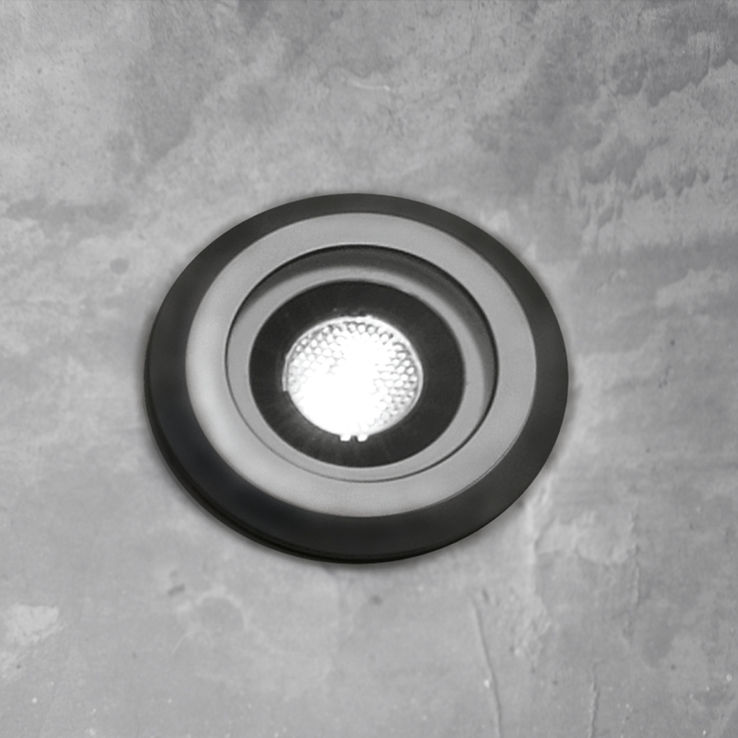
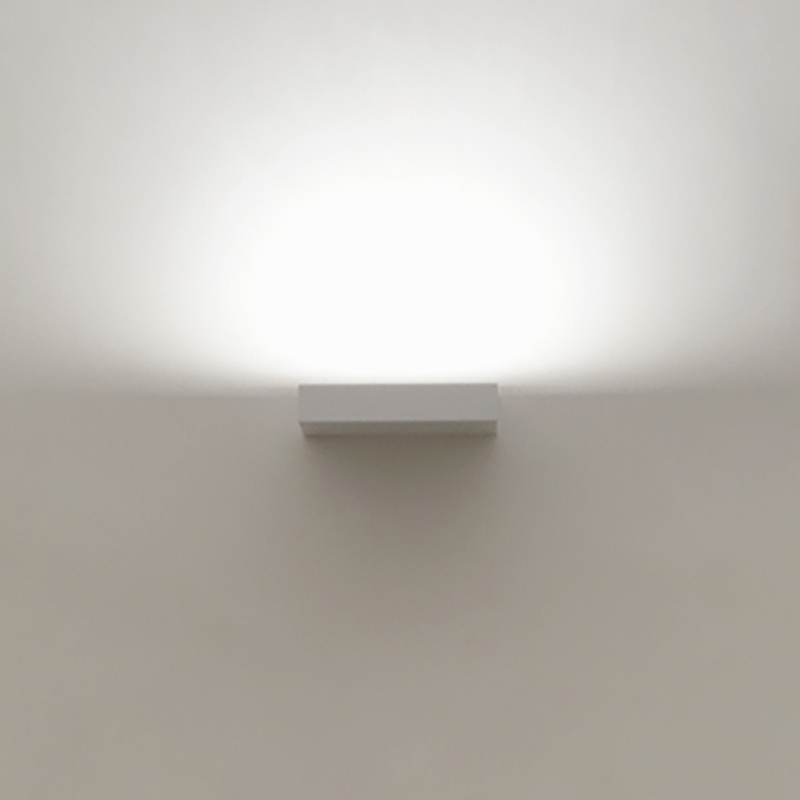
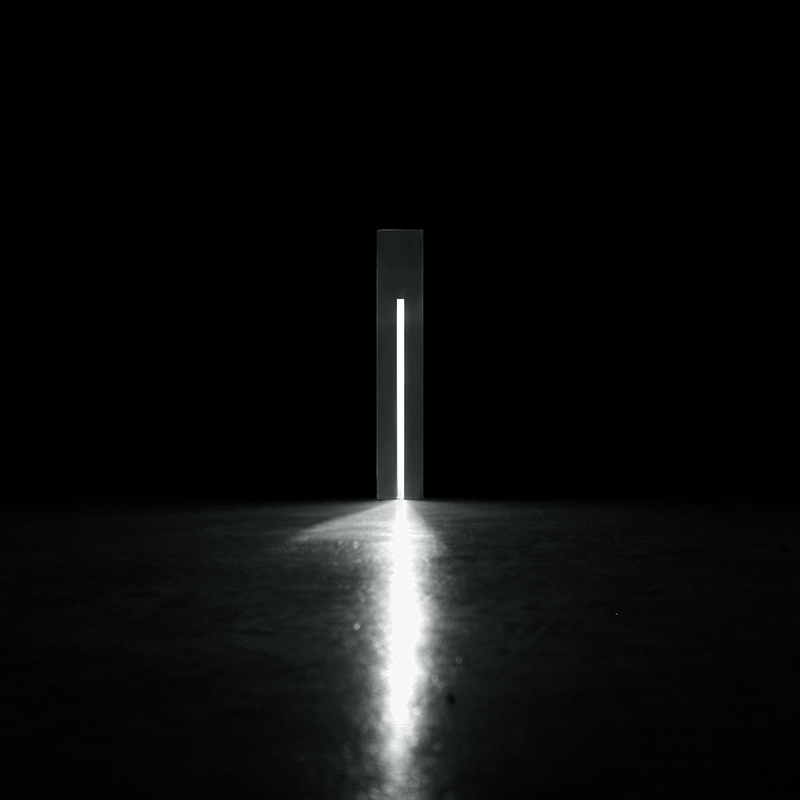
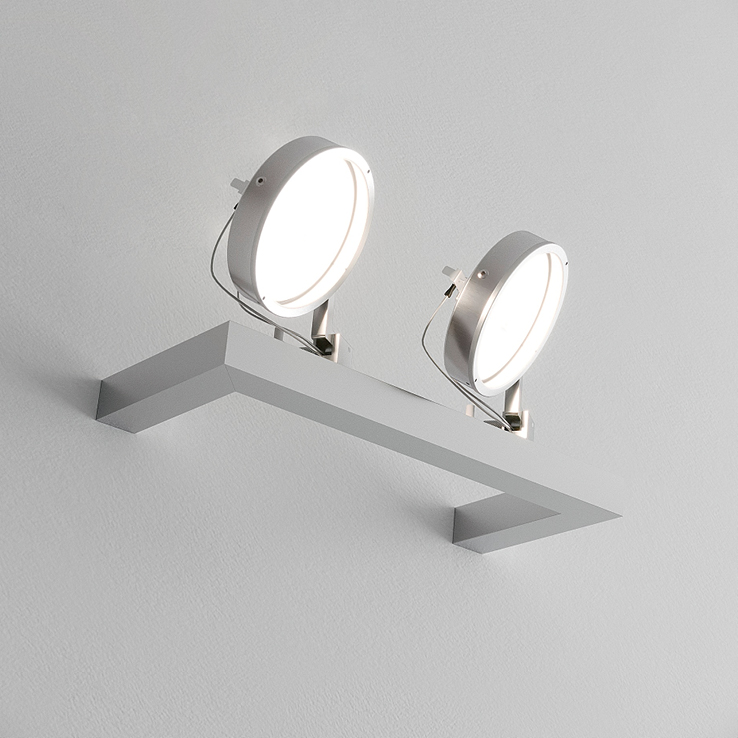
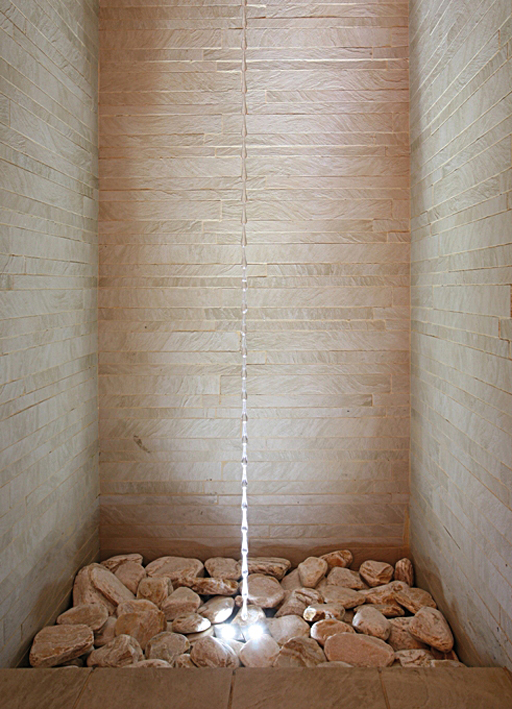
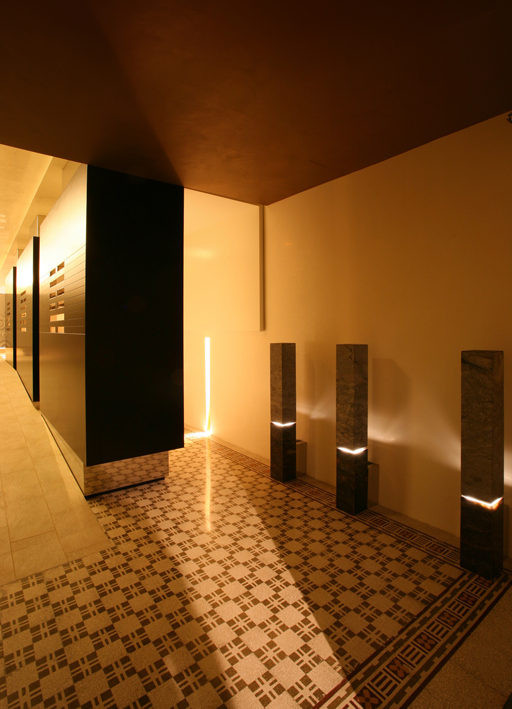
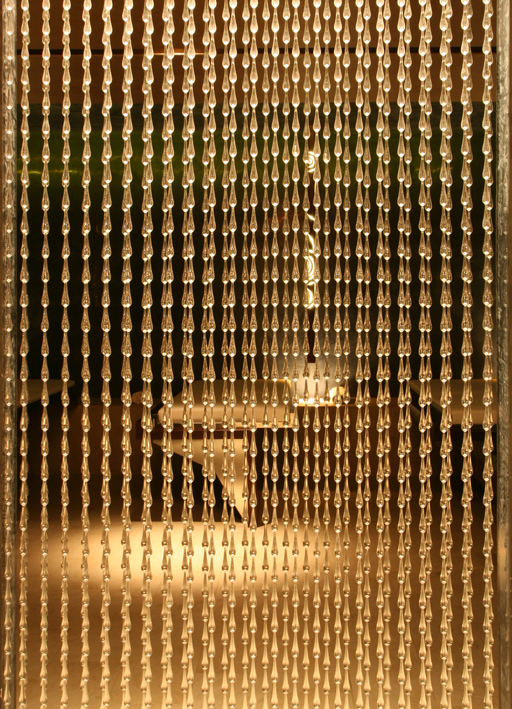
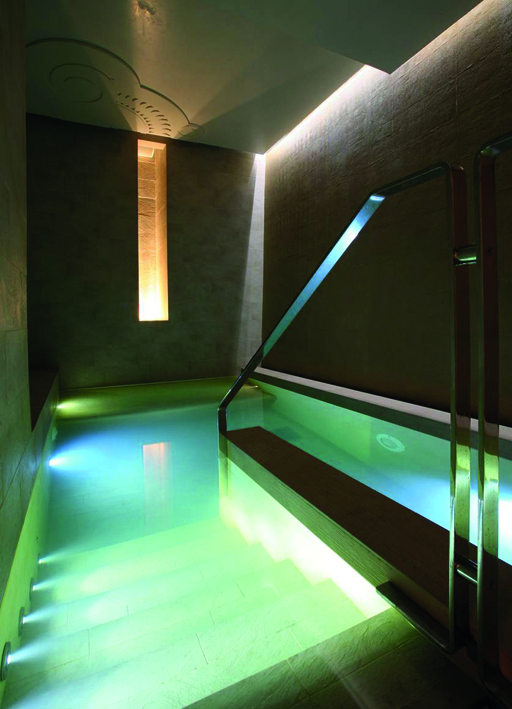
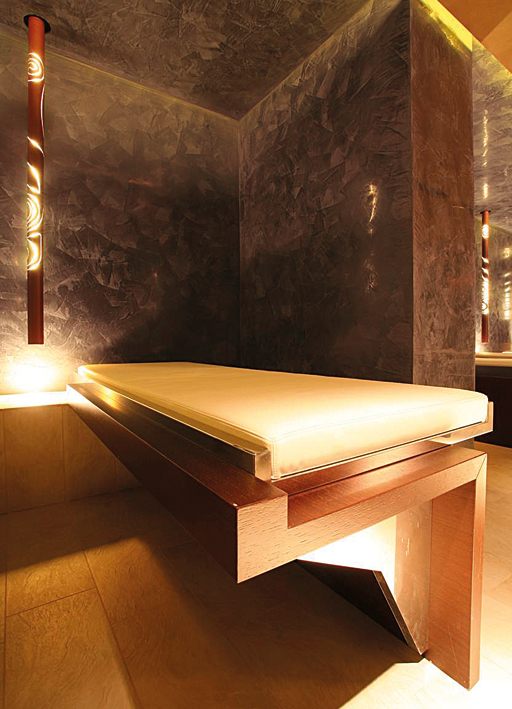
the ‘mari d'oriente' project involves a substantial area inside the terme berzieri spa, the late art nouveau building that is prodigiously rich in materials and decoration, dating from the early 20s and, since then, a symbol of the emilian town of Salsomaggiore Terme in the province of parma. the lighting design took into account both the existing decoration of the rooms - designing purpose-made light fittings that would integrate with art nouveau décor and references - and of the functional and emotional requirement for lighting that was right for every room in the centre: step lighting in the circulation areas, accent and point lighting in the rest areas, concealed lighting that highlights only the surface materials in the water areas and wall mounted lighting in the waiting and reading rooms. this is lighting that is very attentive to the technical requirements of the project but capable of becoming a furnishing and decorative element as well. special granite fountains were designed by mario nanni as a feature evocative of spas, with a constant and melodious gush of water; the water runs down the walls of these vertical granite elements that are deliberately unpolished so that the material quality of the surfaces, with its distinctive golden flecks, emerges under the indirect lighting from the slot carved in the stone. this exercise in matter and light blends with the water element to create an object that is not just a light fitting, but above all a source of emotion. the project to convert the premises and find a new identity originates from the water, which aims to be the centre of attention from the point of view both of function and of its inevitable influence on the composition. the driving themes behind the project are twofold: the accommodation of new health-spa functions within a historical space of great architectural and cultural value and the willingness to find approaches that enable historical and contemporary architecture to interrelate. the 'wellness programme' takes the form of a journey through three main areas of water served by a circulation space that goes beyond the simple function of a corridor, due to the inclusion of rest and relaxation areas. the sequence of fountains of light immediately indicates the presence of water and guides the user visually and acoustically towards the baths. the suggestion of travel was intended as a reminder that the oriental frame of reference that distinguishes the decorative scheme of terme berzieri is the product of the strong influence that the art of the middle and far east had on galileo chini - designer with ugo giusti and decorator of the historic building - during his work in bangkok. from the central area, the layout opens simultaneously onto the three seas, set in an environment of light colours and embellished with mosaics that cover surfaces and features both within and outside the baths. the main bath, the sea of harmony, has a water surface of about 80m2 and occupies the whole of the room that contains it. its length is articulated with internal stone partitions projecting 150mm above the water to clarify the changing sequence of amenities. the linear nature of the room's perimeter walls is interrupted by niches with point lighting; these were uncovered during the progress of the work and deliberately restored to leave a record of the spa's original technology. the project is spread over a total area of 600m2: the outcome is a facility that is shaped architecturally by new concepts of health, incorporating the healing and symbolic content of the water with the technical aspects that contemporary use of the facility requires. the horizontal and vertical wall surfaces have the task of defining the areas dedicated to different therapies without fragmenting the spaces, so as to produce the areas and equipment required: dividers, seating, pathways, underwater chaises longues and baths of different depths are all elements of a single system characterised by the solidity of the stone cladding, alternating in different formats and textures. the access walkway to the bath continues until it reaches the second room that houses the sea of energy; here, the mirror of water is divided into a central core with a vascular therapy facility extending around it. two large 'u' shapes arranged at right angles, conceal two spa showers. the uncompromising rigour and the clean formal lines and texture that the baths portray is unspoilt by visible technical equipment; the high tech measures adopted for the water treatment are fully integrated and concealed by careful attention to detail, which does not expose the pure functionality of elements that are completely reinterpreted here. beyond the corridor, at a slightly higher level than the other two baths, is the sea of music, an intimate bath enhanced by underwater sound and a cascade of water that caresses an angled partition with a golden surface, further embellished by a slit which reveals a trace of ornamentation. the spa building lives on, with new services and a new identity; the concept of care is expanded in relation to the therapeutic view of the body, to embrace wider forms of well-being. the final section is the relaxation area where the variation in shades of colour therapy is the backdrop to a secluded room featuring lighting and furnishing design inspired by the milan school of design in the fifties. the design of the new spa, more conspicuously than in other areas, encounters the classical aspects of modernity, expressed in the debate between intellectual aspiration for individual well-being through self-care and the physical nature of the body and of place.
scroll


 Page loaded in: 3.073 - Powered by Simplit CMS