
projects | Viabizzuno progettiamo la luce
discover all the Viabizzuno designs and projects in collaboration with the world’s leading architects and designers.


 en
en
sentosa house
place:sentosa cove, singapore
project:bedmar & shi design consultants
buyer:roland lim
lighting project:sunlight luminaire
foreman:sunlight luminaire
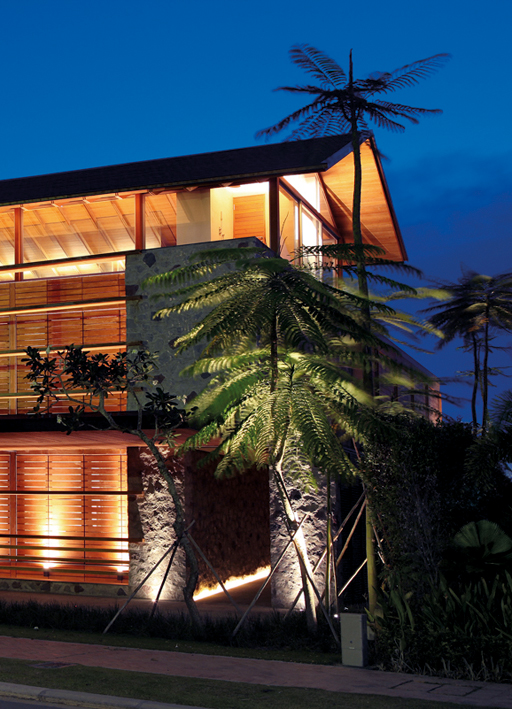
with a transition between layers of local flora and natural materials, the front lawn of this quiet house on sentosa island in singapore lures its visitors into its welcoming atmosphere and a slower paced island lifestyle. recalling somewhat the stone walled buildings in his native argentina, ernesto bedmar is able with this project to redefine and modernize his tropical language and spatial organization while still echoing traditions of craft of the region.
the front entrance of the house is sorrounded by two heavy stone walls: a natural portal that allows bedmar and shi to reveal slowly and gradually the house to the visitor, with dramatic transitions of light and shadow, and enclosure and freedom. in making the front of the house heavier in language than the back, the designers have also taken advantage of the intrinsic planning reversal in all of the plots of land on the island, where the front street entrances to the sites oppose the magnificent view of the ocean and canals at the backs of the properties.
in a fascinating dialogue between an expression of carved out enclosure versus a light and airy openness in the house, the front entrance stone walls are tunneled with a long cavernous entrance that envelopes the visitor into its dimly lit interiors. with only slits of openings along the edges of the entrance space, the contrasting framed view into a sun basked rock garden at the end of the portal draws the visitor forward in a distinctly tropical experience of light.
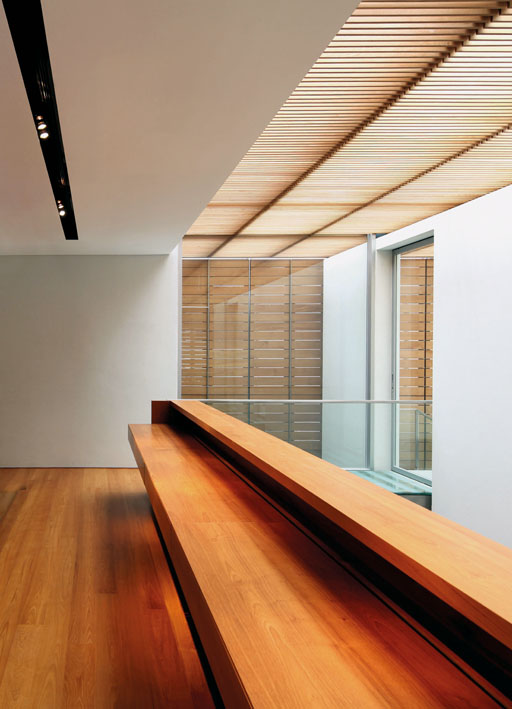
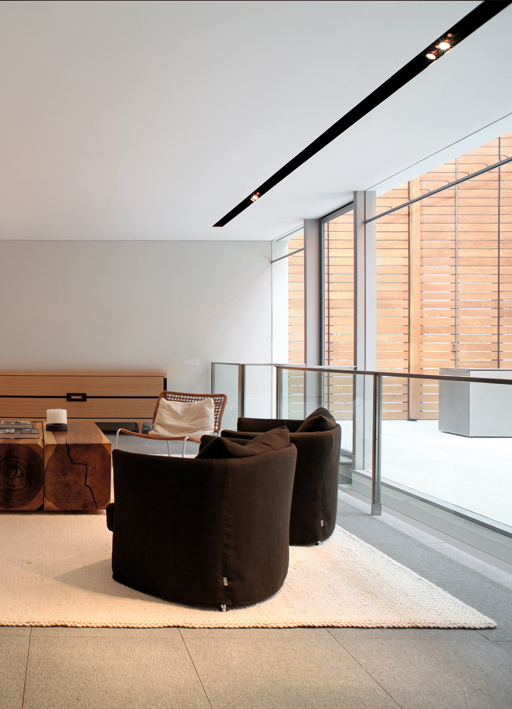
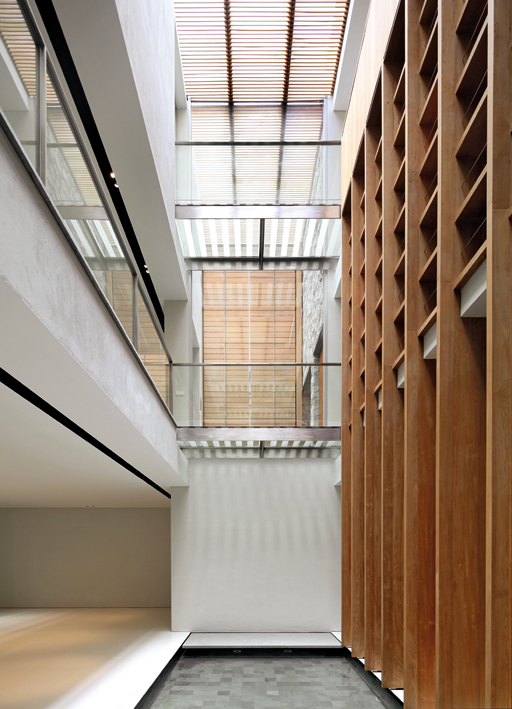
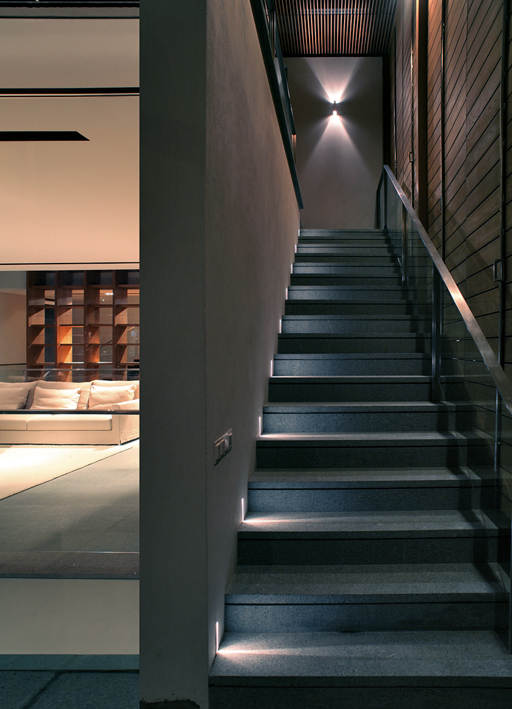
once through the entrance tunnel, the dualities in the house’s planning and language are revealed. in contrast to the cavernous entrance, the main living room is designed as a lightweight glass box that sits inside what feels like a larger garden room. this 'room' is constructed out of full double height teak strip screen walls that pivot outward like a series of majestic doors to allow the room to breathe and become one with the external spaces. the roof of this double volume room is also made of teak strips with a glass sheet above them that makes the space feel as airy and light as possible.
bedmar designed the glass box living room to feel like an independent floating volume within a larger timber trellised garden room. the slab of the living room floor is pulled away from the floor of the garden room, creating a gap or void into the lower level. the visitor crosses over this void on light glass-floored bridges that accentuate the separation between the two structures. toward the back of the living room, a larger void opens up to a wide courtyard space that connects up from basement level to the attic and spans between the two stone walls at the sides of the house. this courtyard is also traversed only by the delicate glass bridges at each level. the openness of this space and physical separation between forms promotes the movement of light and air through the house which is, other than the view out of to the ocean at the back, mainly internally focused.
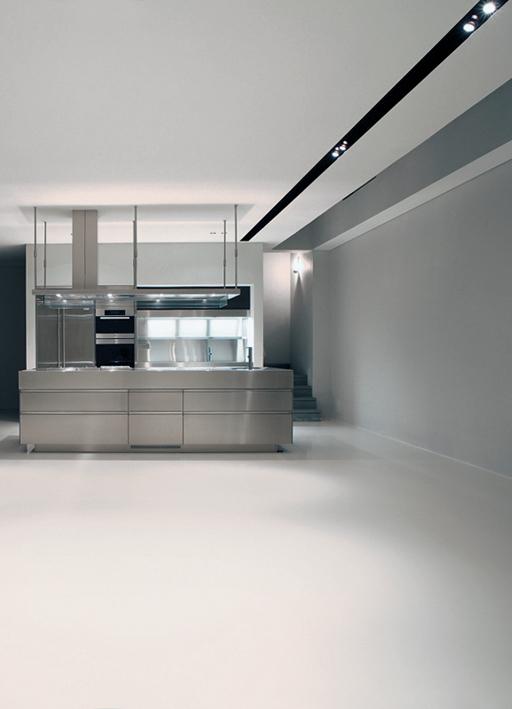
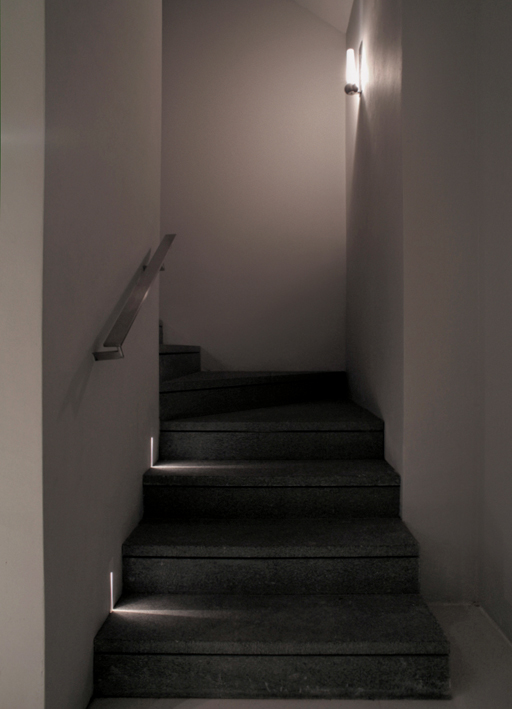
the materials used in the house are a mixture of rustic natural finishes such as the roughly worked rubble walls, naturally finished teak, roughly finished textured plaster walls, as well as highly polished modern materials like stainless steel and glass flooring on the bridges between spaces. just as the spaces within the house are separated from each other with gaps and voids, the junctions between the various materials used in the house are more often divided by grooves, gaps, intermediate layers and recessed channels. the separation of the finishes from each other allows the various materials to exist as independent entities, in a way, to breathe on their own.
in a clever re-definition of a traditional tropical housing planning arrangement where the rooms are expressed as separate pavilions that sit in a larger garden, this house by bedmar and shi operates in a more dense urban situation. the rooms are still expressed as separate entities within a garden but the physical expressions of the 'pavilion' and of the 'garden' are here modern reinterpretations of the traditional forms and spaces.
scroll


 Page loaded in: 0.203 - Powered by Simplit CMS