
projects | Viabizzuno progettiamo la luce
discover all the Viabizzuno designs and projects in collaboration with the world’s leading architects and designers.


 en
en
the new museum in the city of poznan
place:poznan, polonia
project:ad artis
lighting project:swann architectural lighting
photos:piotr krajewski
‘concrete is not just a material. it is where the shadows of history lengthen'
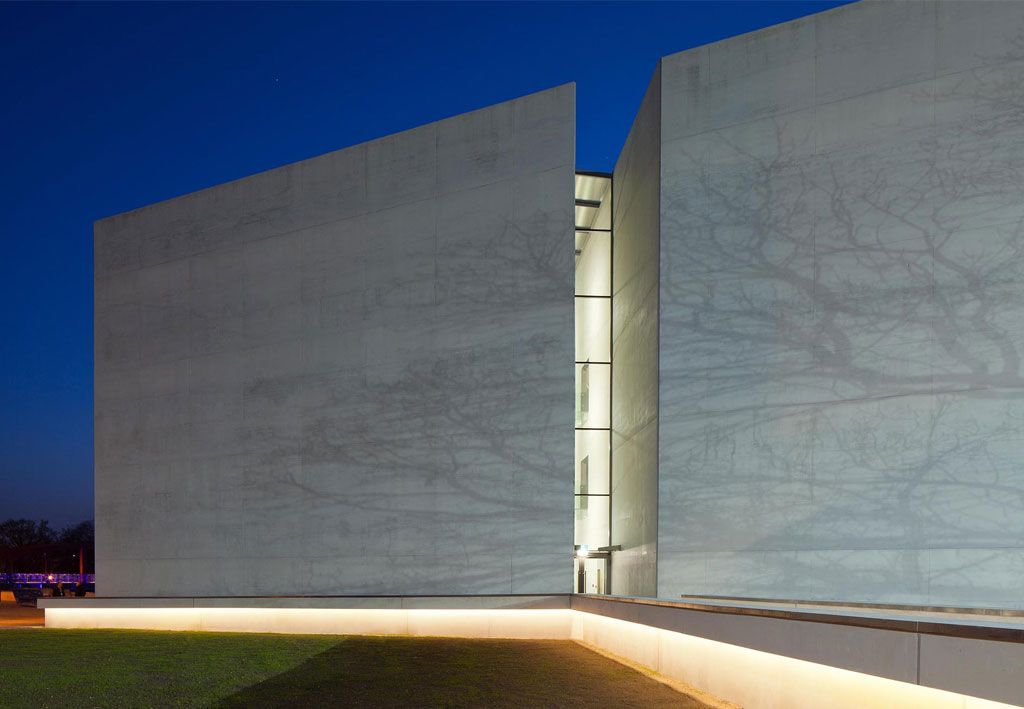
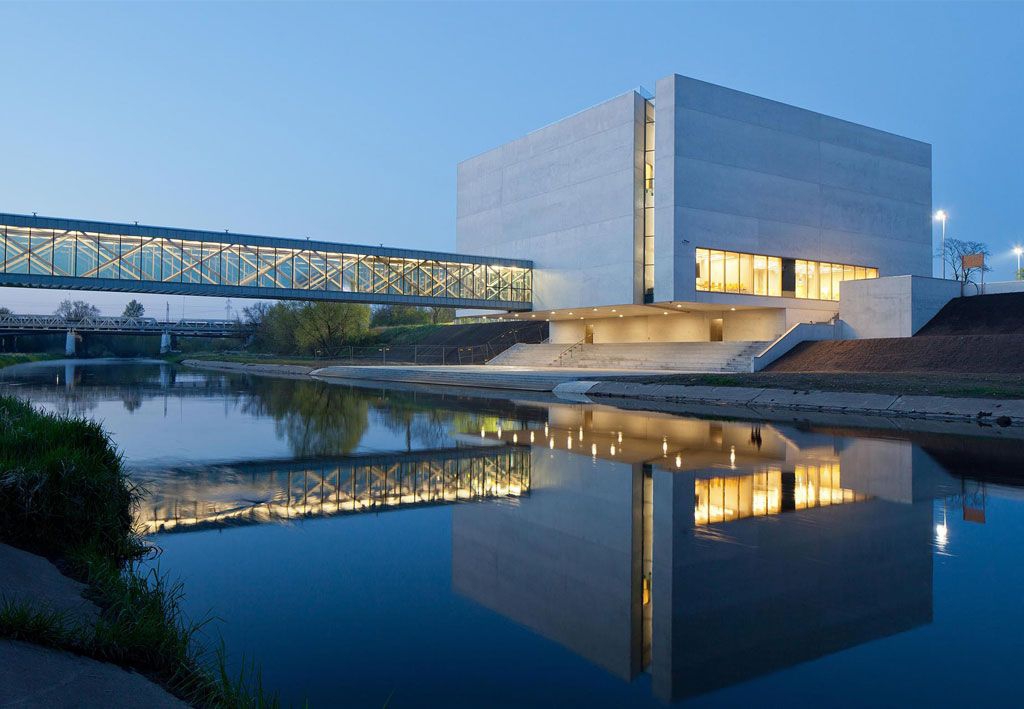
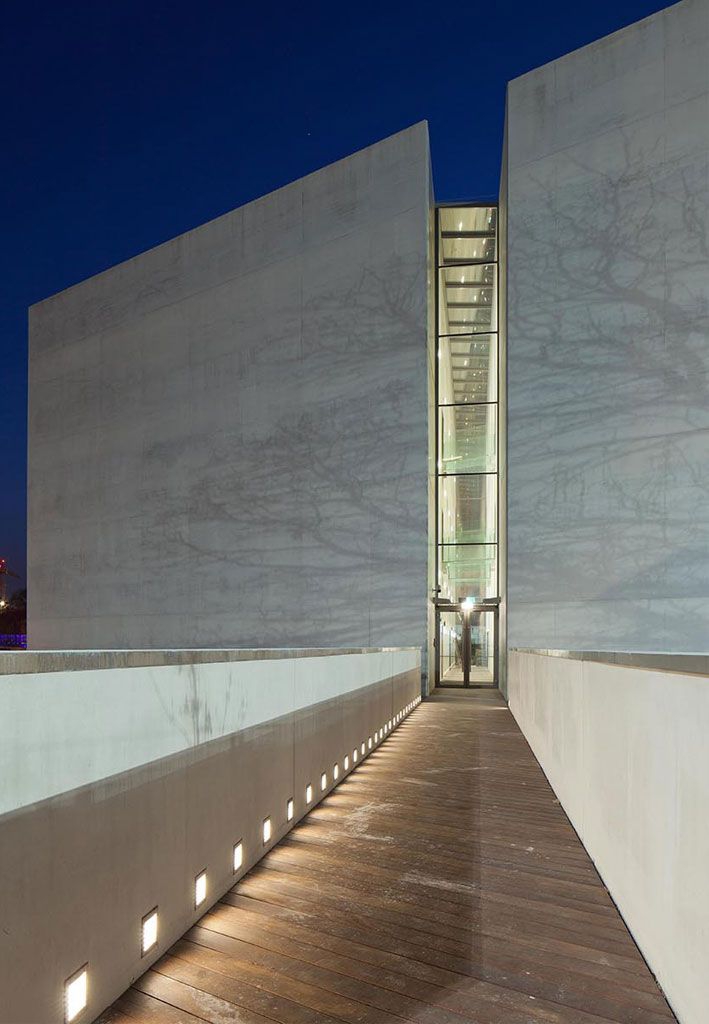
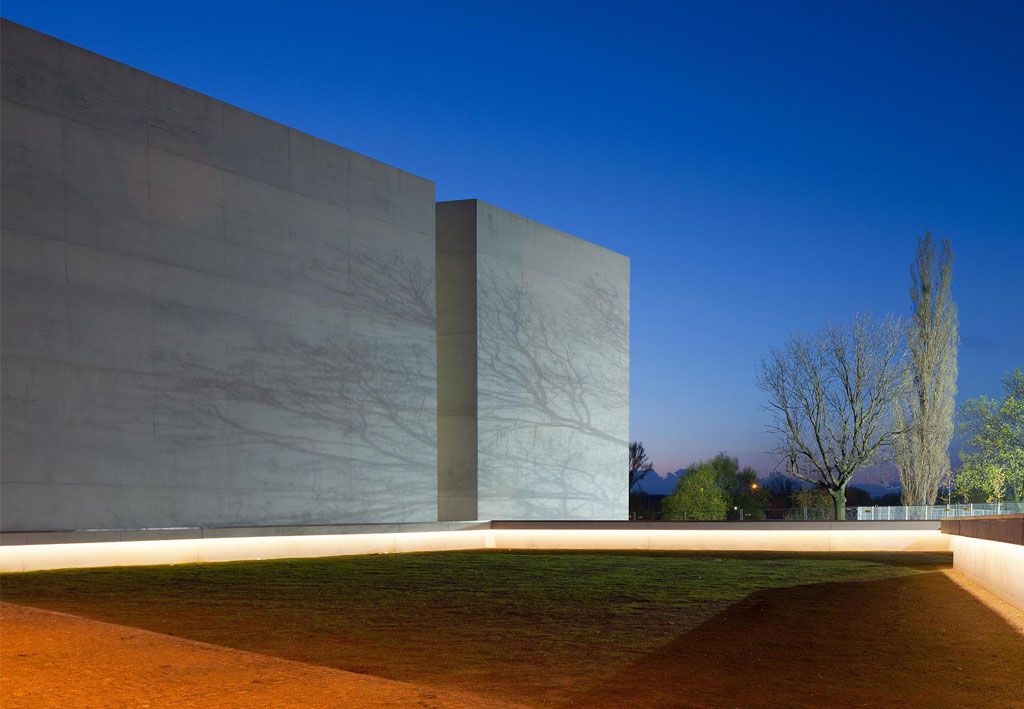
the ichot (interactive centre of ostrów history tumski) museum was built on the shores of the island that contains the oldest buildings in the city; near the museum, in fact, stands the cathedral where the first polish state was proclaimed in the tenth century and the city walls extend around the complex. the project is located in the position of the old floodgate, in the form of an entrance bridge to the island. in an environment so rich in historical memories, the main problem was finding the right connection between the old and the new museum. the form of the new museum is very simple, an almost windowless cube of raw concrete, with two large vertical slits corresponding to the division in the plan of the building and relating the interior of the museum to the profile of the cathedral. the simplicity of form shows total respect for the historic buildings of the area; on the other hand it is the powerful contrast with them that emphasises the contemporary nature of the structure. the simplicity of the building has also been achieved through the use of raw materials, i.e. concrete, steel and glass. these are precisely the materials that provide the best interpretation of the purity of architectural form. the route that guides visitors from the car park to the new building and then into the cube of the museum terminates in a walkway that crosses the river onto the island, creating a stroll through the architecture with the towers of the cathedral as a visual landmark and this becomes the largest and most important of the exhibitions. the building stands out as a kind of pentaprism, through which what is most important in this place can be seen, the history. one of the most interesting parts of the scheme is the projection over the river: in a cube with sides approximately 30 metres in length, the furthest 12 metres are cantilevered. the walkway connecting the building to the mediaeval walls on the opposite bank is grafted onto the old floodgate structure that was renovated for the purposes of the project. light continuously guides people through the history and lets them discover new stories. in the birthplace of poland, artificial lighting comes on and interacts with the raw materials. the massive appearance of the concrete, which provides an unchanging perception of colour and texture, is altered and enhanced by the light, which helps to lighten a material that is solid par excellence and make it more ethereal.
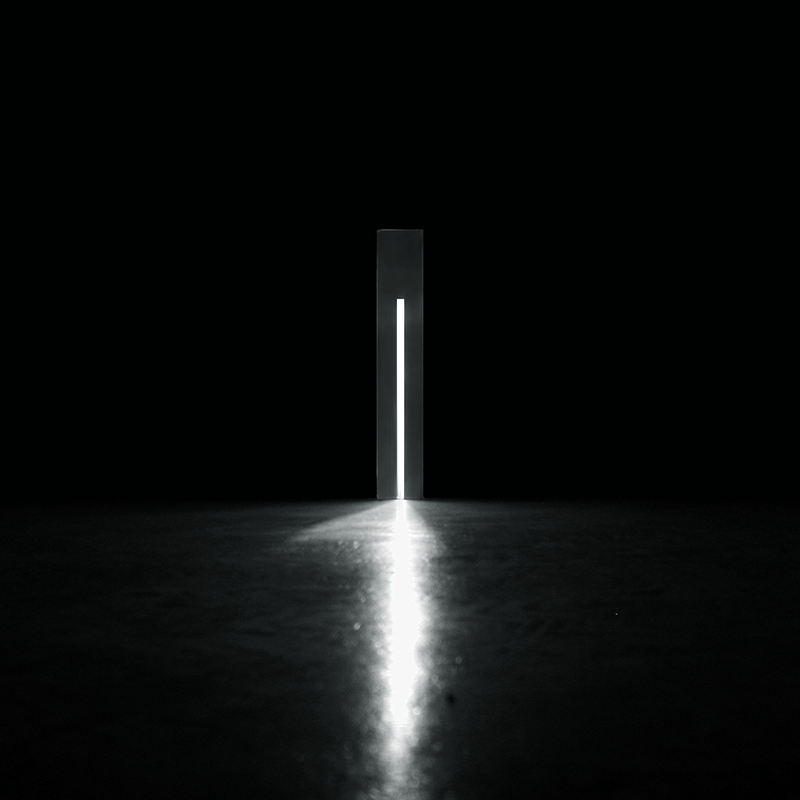
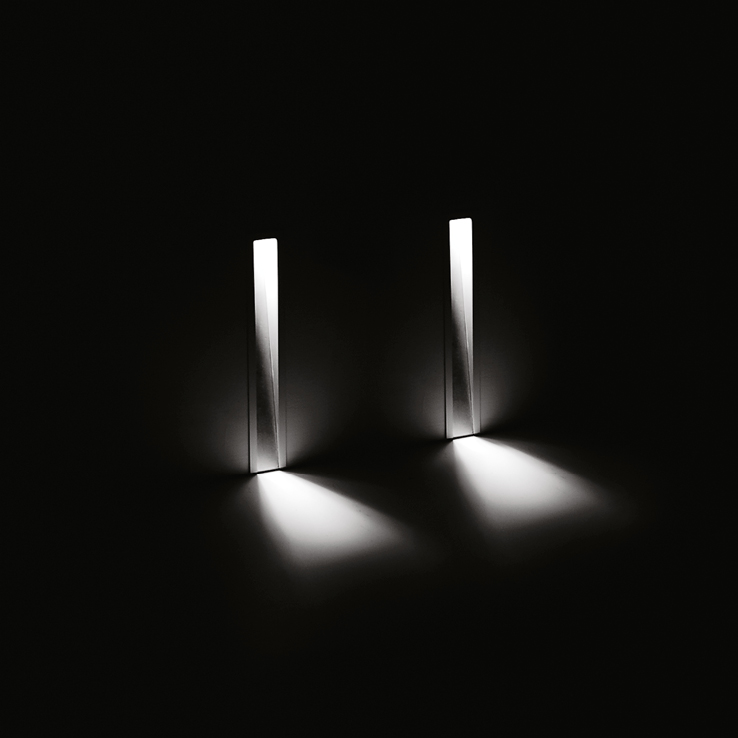
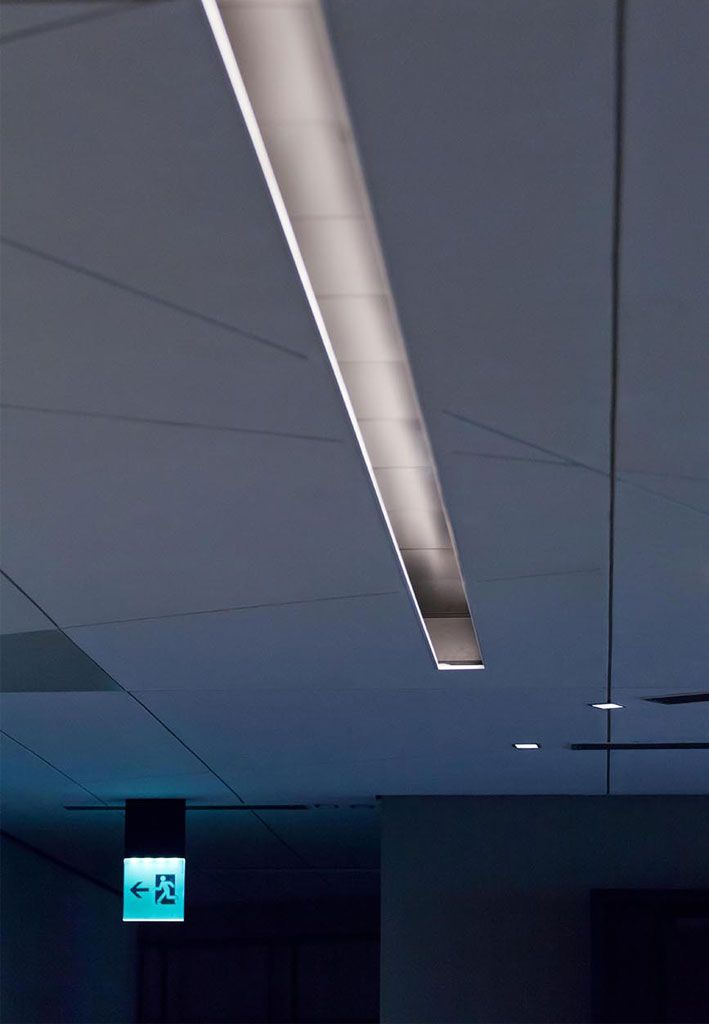
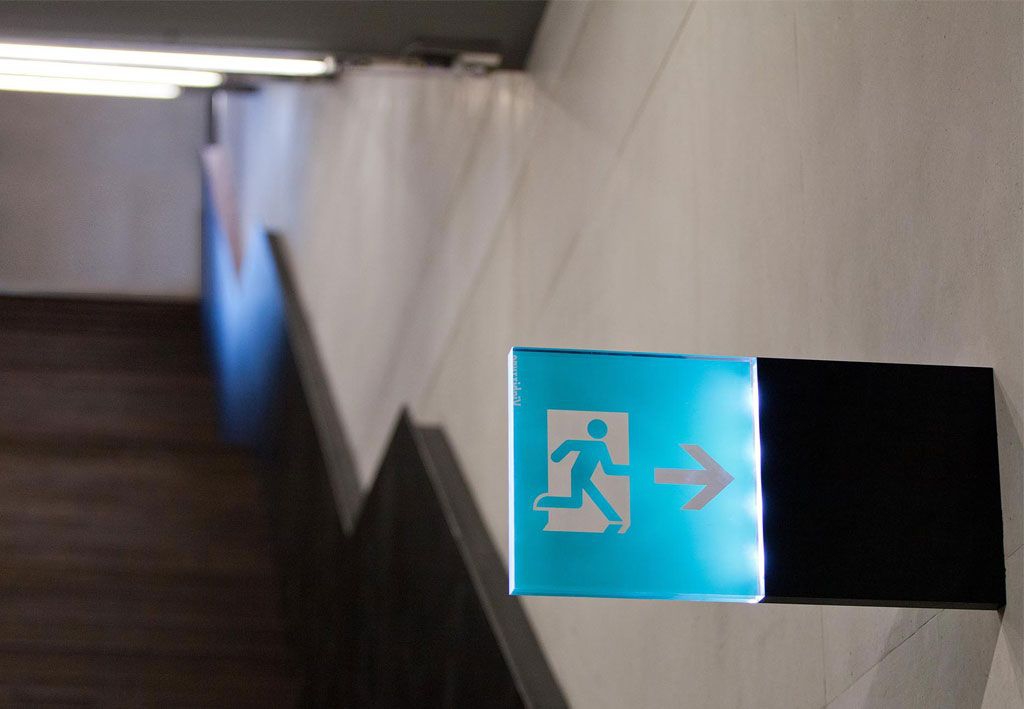
external zigzag paving leads directly to the ichot museum entrance; cubo 15 fittings mark the route with their brilliant light. built into the slit between the two parts of the building, the cubo 30 and spessorina fittings illuminate the space more indirectly while, at the same time, emphasising its function. since the slit area is very important for the building, other elements that resemble its shape were included in the interior lighting design. the ceilings are in fact dissected with numerous lines of 094 system fittings. the spessorina and wall mounted raggio fittings are also reminiscent of the slit. the spirit of history dominates, but there are also more functional places such as offices and staircases. the lights chosen specifically for these were the bacchetta magica and 120-150 p.s. fittings. finally, the overhang between the river and the building is filled with light from cubo 30 fittings. so, thanks to the careful lighting design, when the concrete of the building disappears into the darkness, the light remains.

scroll


 Page loaded in: 0.094 - Powered by Simplit CMS