
projects | Viabizzuno progettiamo la luce
discover all the Viabizzuno designs and projects in collaboration with the world’s leading architects and designers.


 en
en
museo ceramiche di savona - fondazione a. de mari
place:savona
project:armellino & poggio architetti associati, architetto r. fallucca, arch. m. ricchebono
buyer:fondazione de mari
photos:fulvio rosso
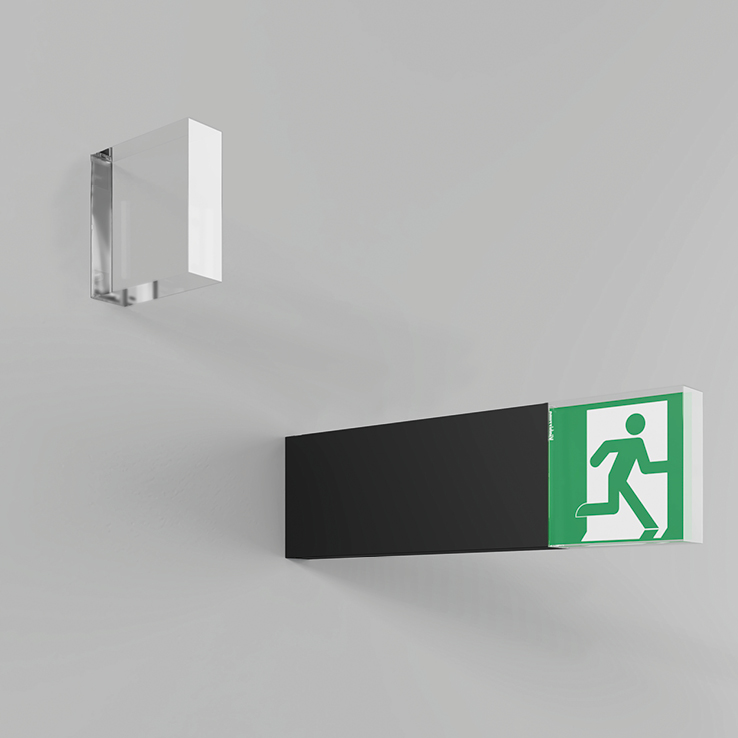
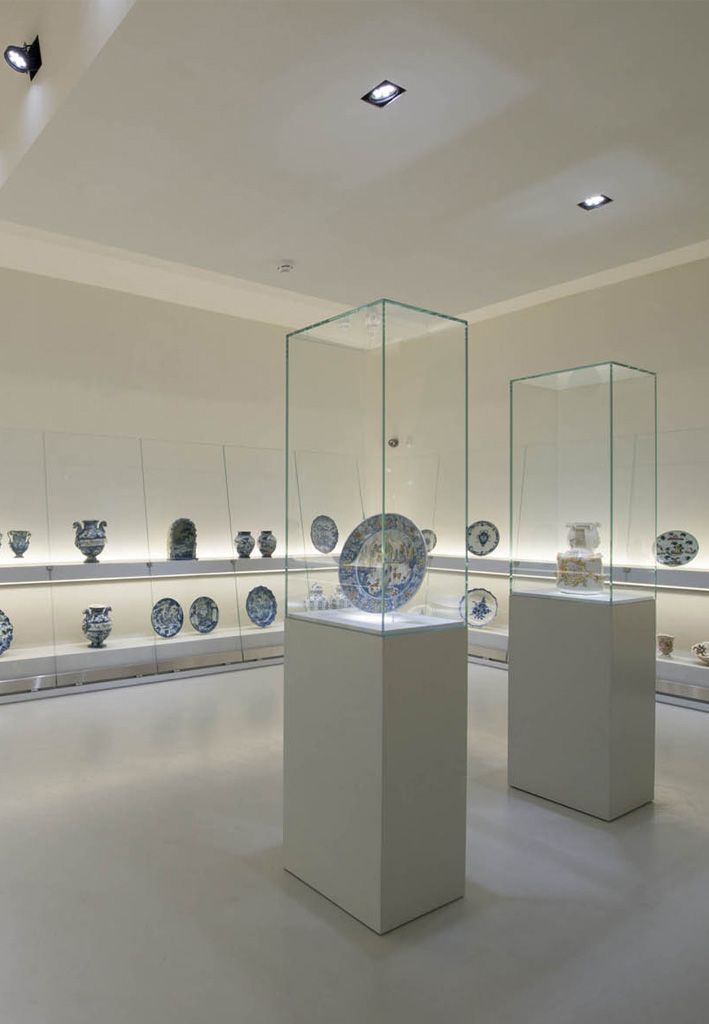
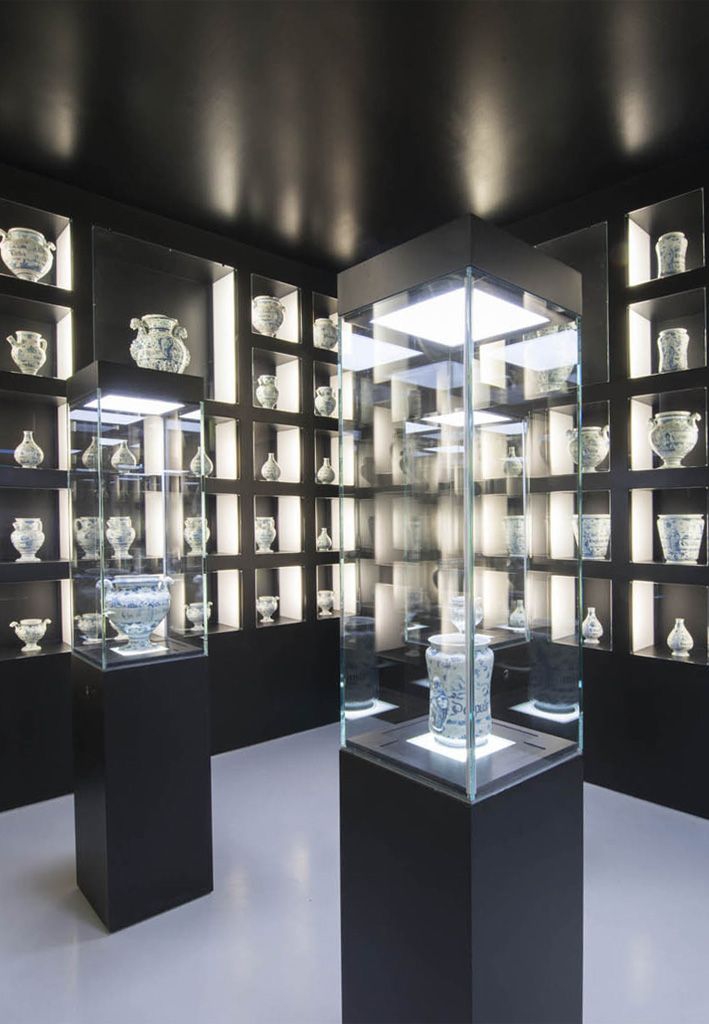
with its wealth of significant exhibits, the museo della ceramica illustrates the aspect of human activity that most fully identifies the artistic and productive history of the district around savona. within it are displayed around a thousand ceramics of great artistic value, from the fifteenth century up to the present day, exemplifying a tradition whose fruits have been in evidence continuously for more than six centuries in savona and albisola, historically among the most important centres for the production of ceramics in the mediterranean. the premises, which were created with the restoration of the palazzo del monte di pietà of savona, founded in 1480 at the behest of savonese pope sixtus iv della rovere and his nephew cardinal giuliano (later pope julius ii) and dating, like all the surrounding buildings of the old town centre of savona, from the thirteenth century. the museo della ceramica is combined into a single exhibition with the civic art gallery housed in the adjacent palazzo gavotti. the policy pursued in the restoration work was to preserve and philologically restore the parts of the building where there were obvious traces of historical transformation activities that had taken place over time. the widespread but significant modifications made to the building during the twentieth century, with significant alterations of many structural elements and the loss of much of the ancient exterior facies of the rooms, led to measured but significant contemporary architectural interventions and the inclusion of very up-to-date elements at both an architectural level and in terms of the furnishings employed. interventions that were never destructive, but reversible and sensitive to the building’s history. the intention of the project was to create a setting that was neutral but certainly not prosaic. four primary materials were use and four colours: the floor, the display cases and the majority of the display stands in light grey resin, the white washed walls the ‘colour of the air’, the architectural elements in satin stainless steel and glass. the idea was for the ceramics to give the museum its colour; the result is evidence of its success. this ‘white cube’ type of arrangement is occasionally interrupted by moments of stark contrast intended to surprise the visitor and to make an impression in his memory. in particular we must highlight the black room that houses the numerous ‘white-blue’ pieces of the collection of pharmacy jars from the san paolo hospital, with a pop art flavour for the redundancy of these objects of everyday use, or the double height structure accessible to visitors, of steel and glass, designed to exhibit the prestigious collection donated by prince arimberto boncompagni ludovisi. particular attention has been paid to the study of the light. the choice, the result of extensive testing, swung towards high colour saturation 5,000° k LED, so as not to alter the colours reflected by the ceramics. a measured, but decisive, result obtained by a lighting design capable of being effective both from a functional point of view and aesthetically, with the choice of built-in light fittings that are either fully concealed (m6) or external, like the sign lamps (trasparenza), always simple and never invasive.
scroll


 Page loaded in: 3.026 - Powered by Simplit CMS