
projects | Viabizzuno progettiamo la luce
discover all the Viabizzuno designs and projects in collaboration with the world’s leading architects and designers.


 en
en
7132 house of architects
place:vals, svizzera
project:kengo kuma
buyer:7132 hotels
lighting project:kengo kuma & associates - marionanni
photos:ingo rasp
foreman:giubbini architekten eth sia
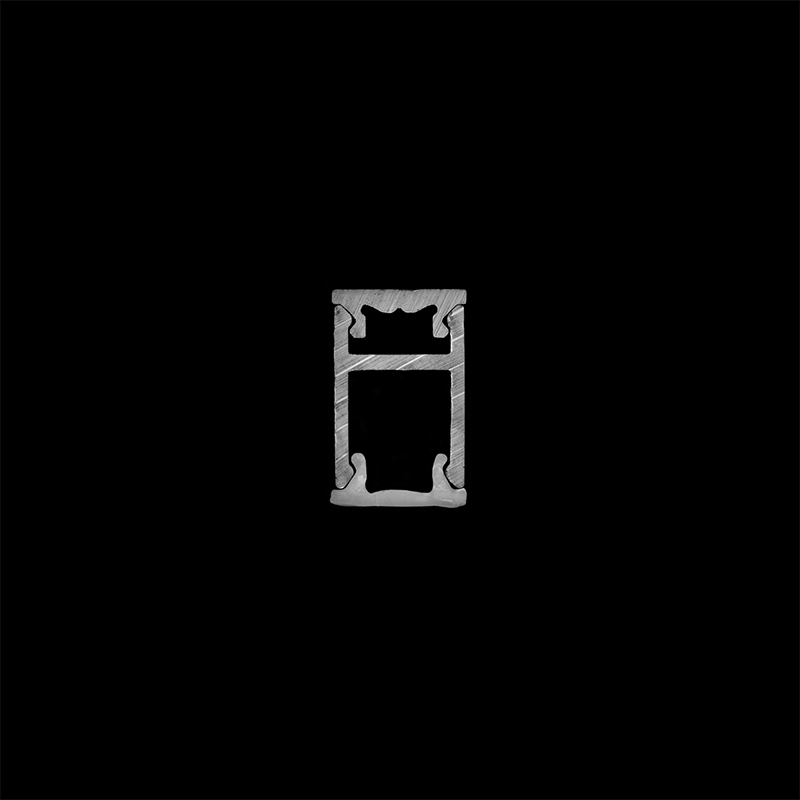
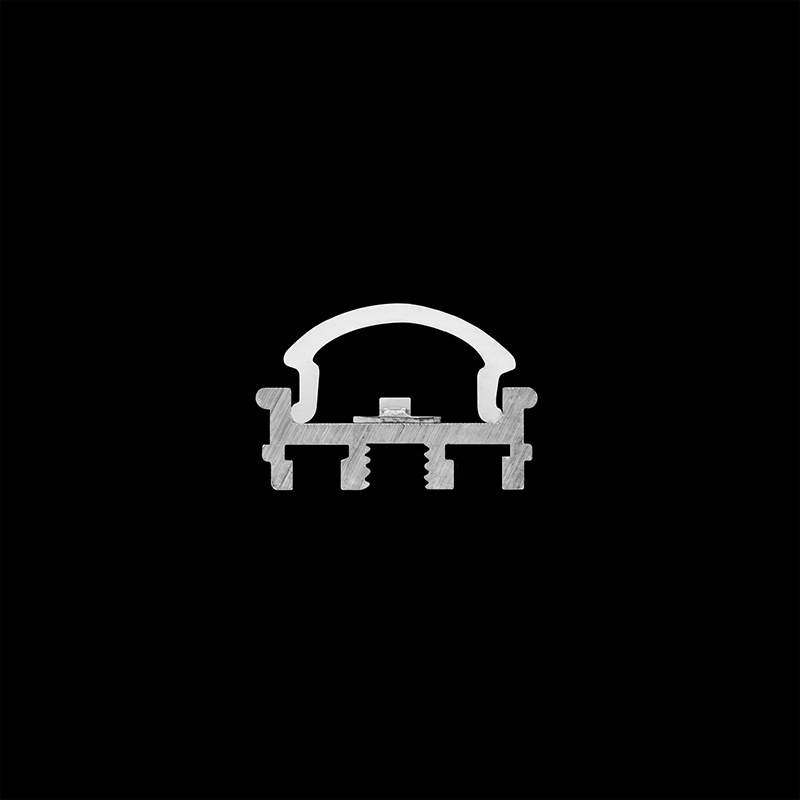
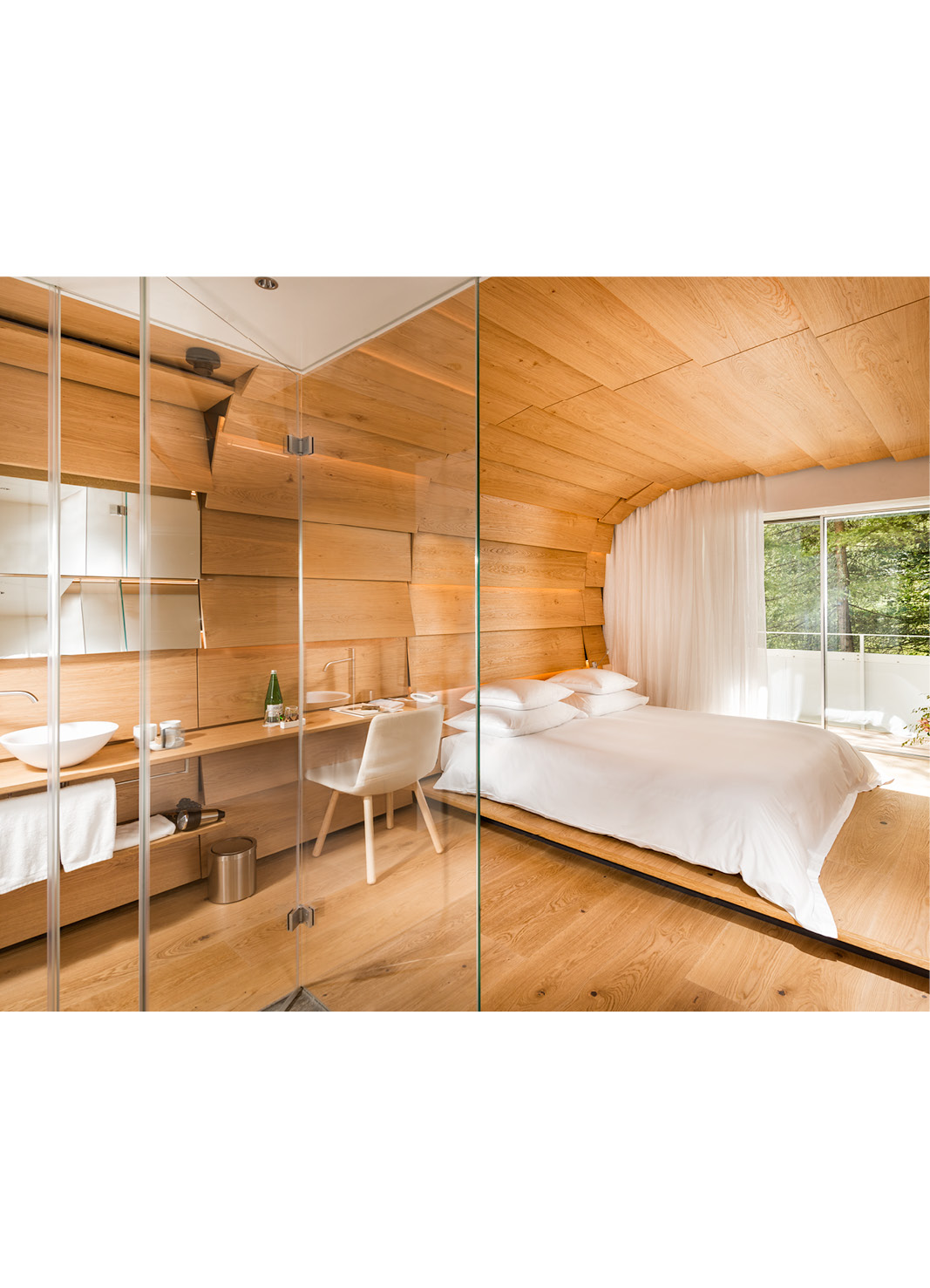
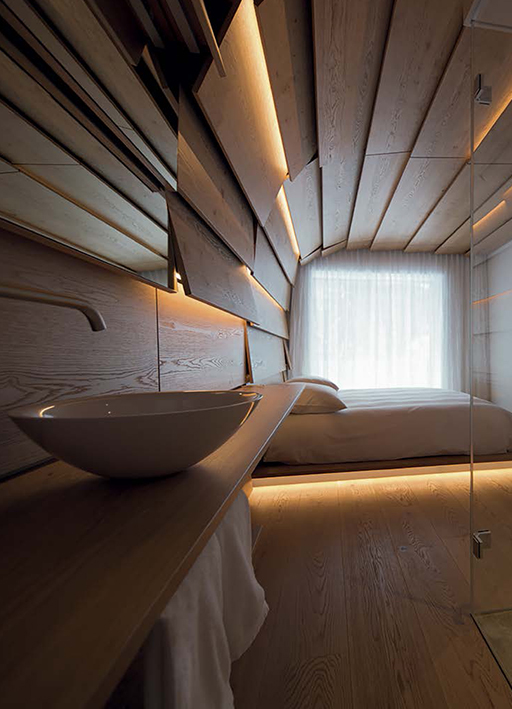
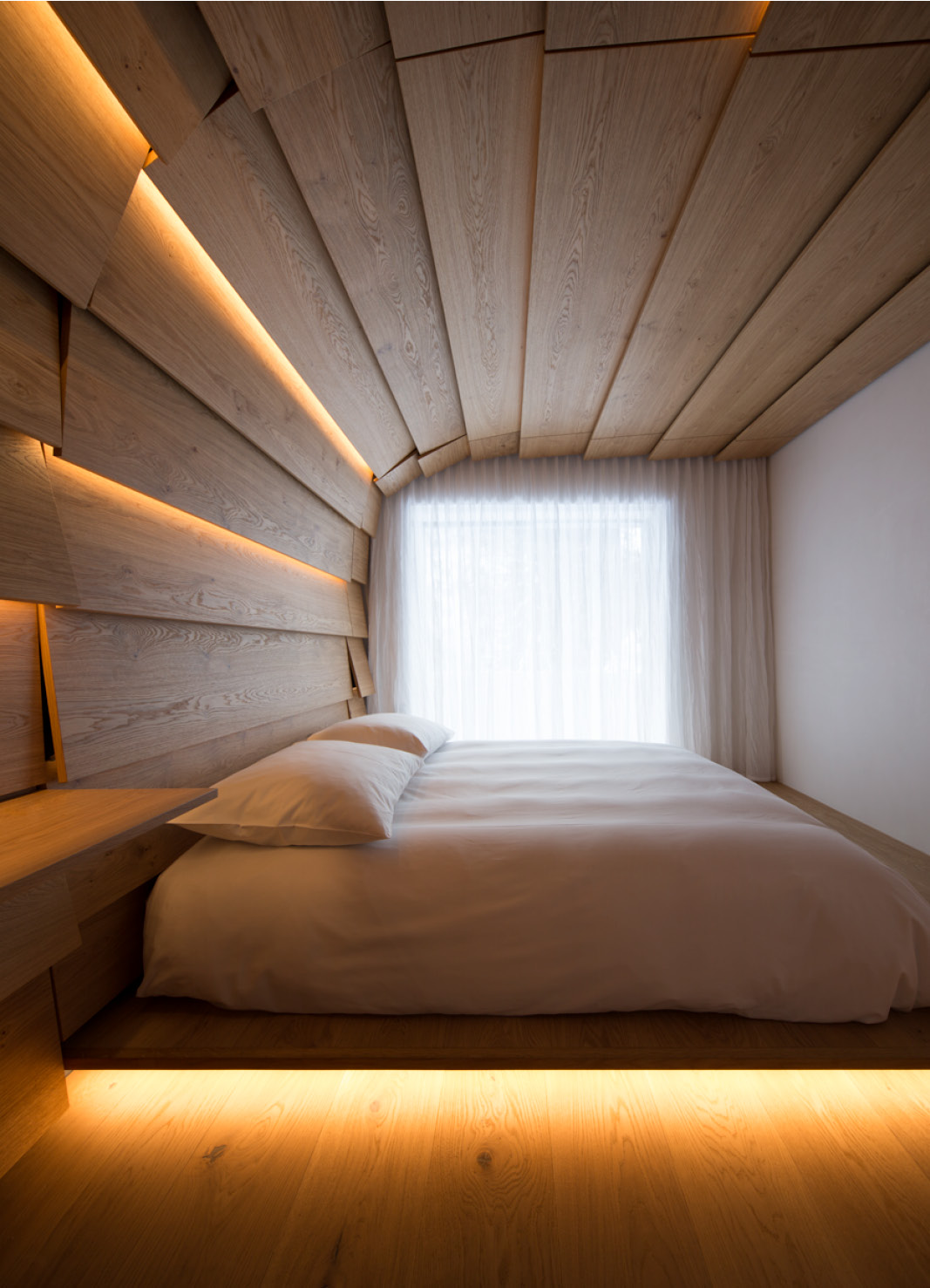
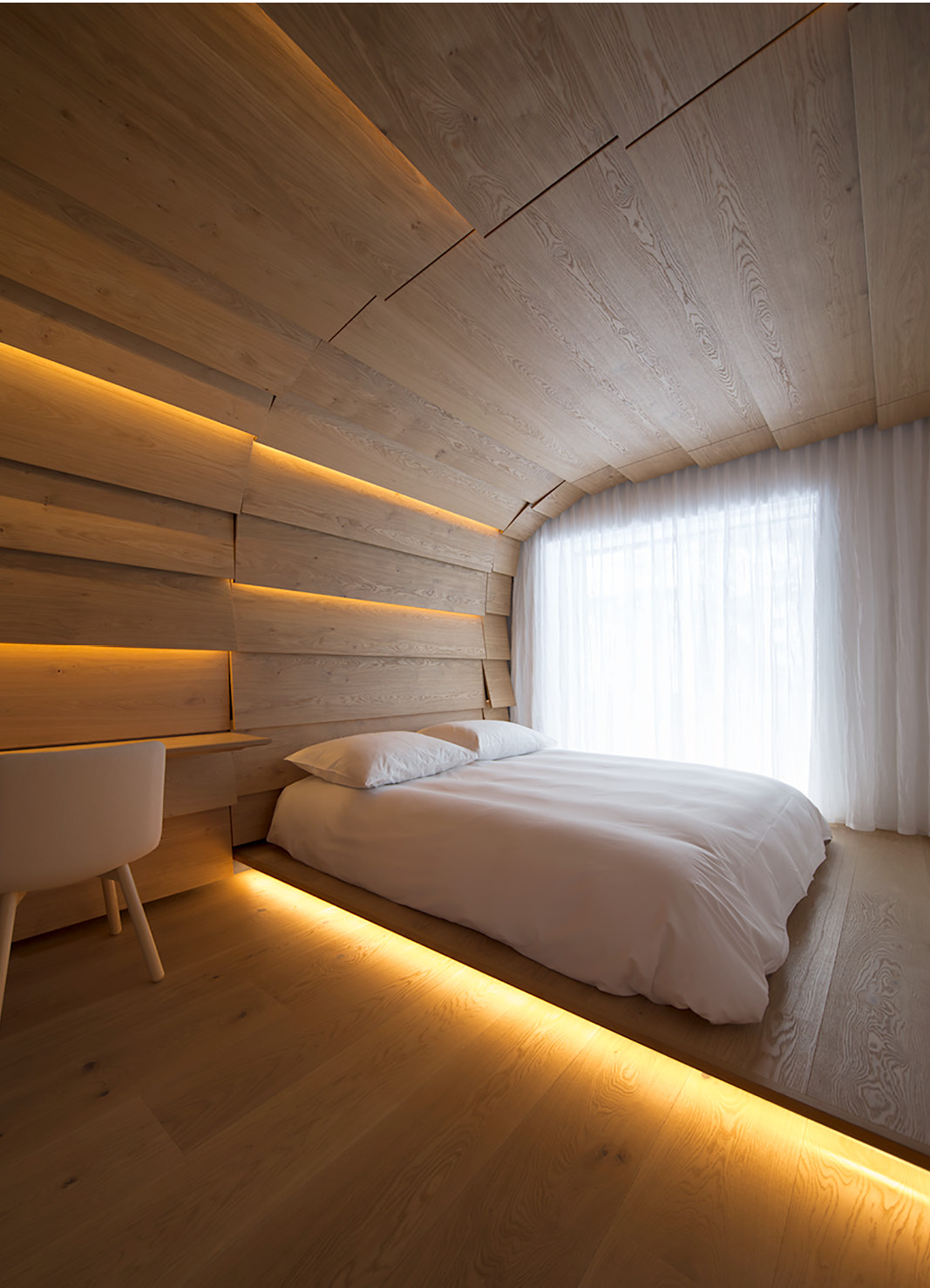
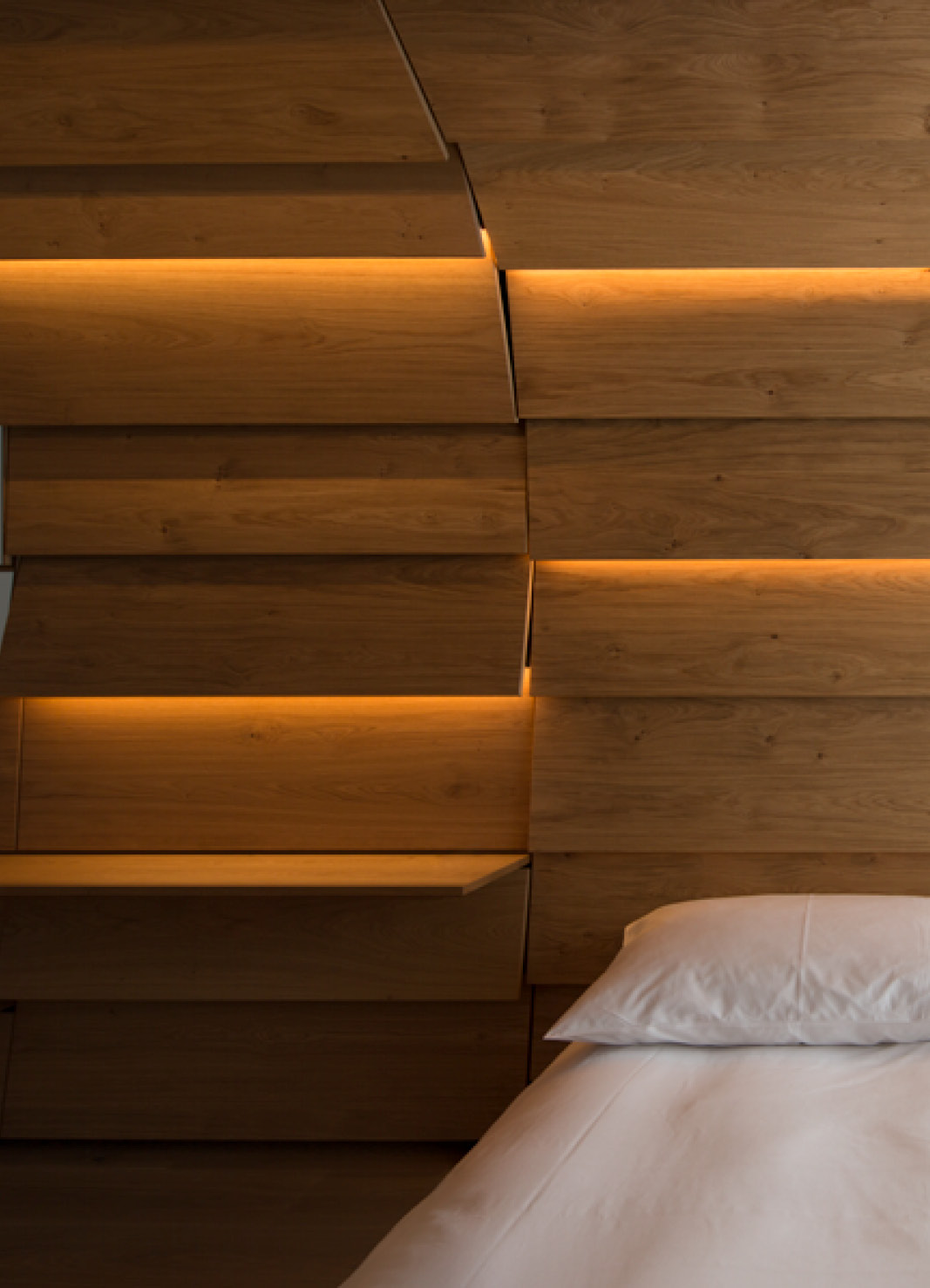
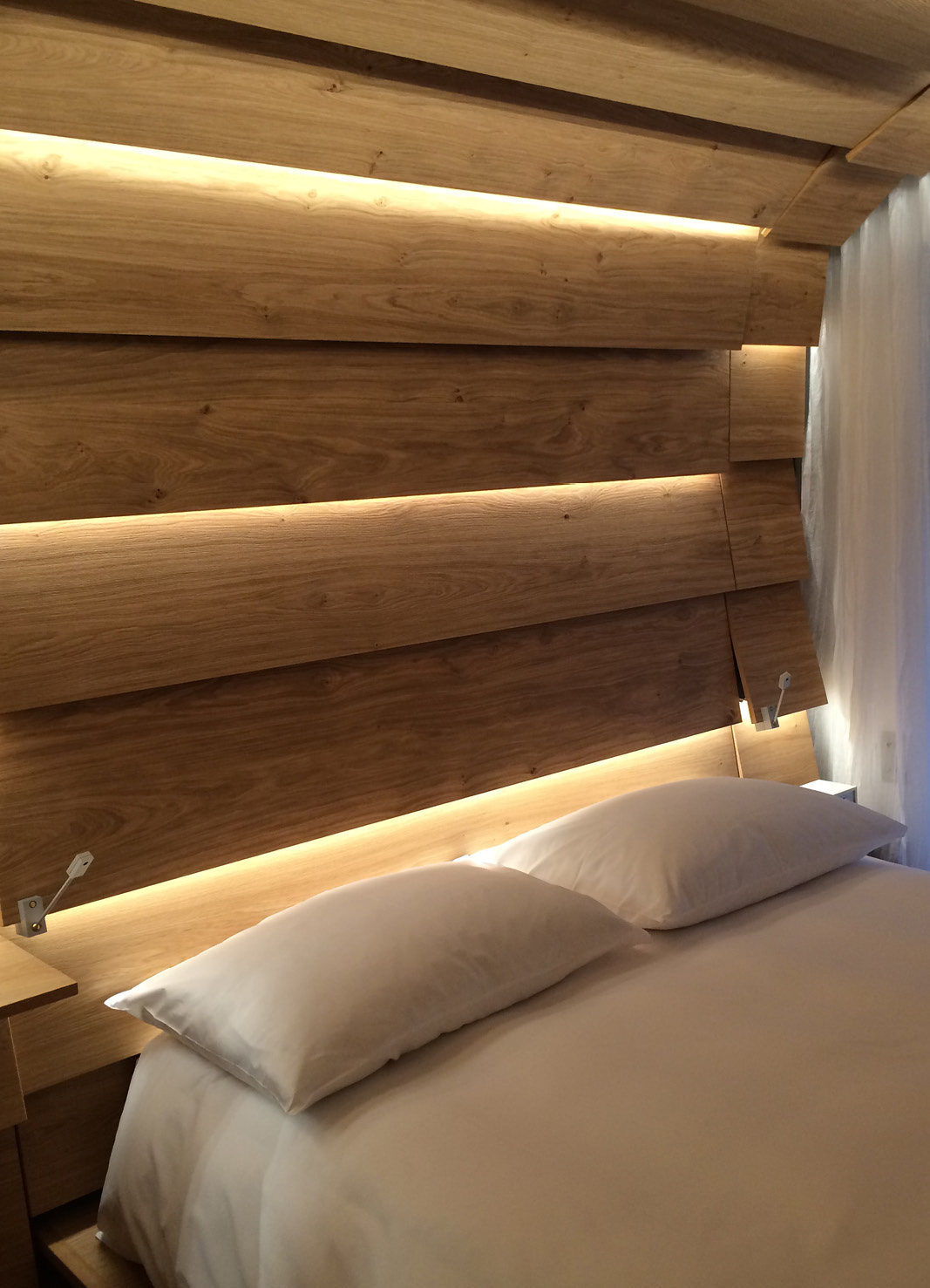
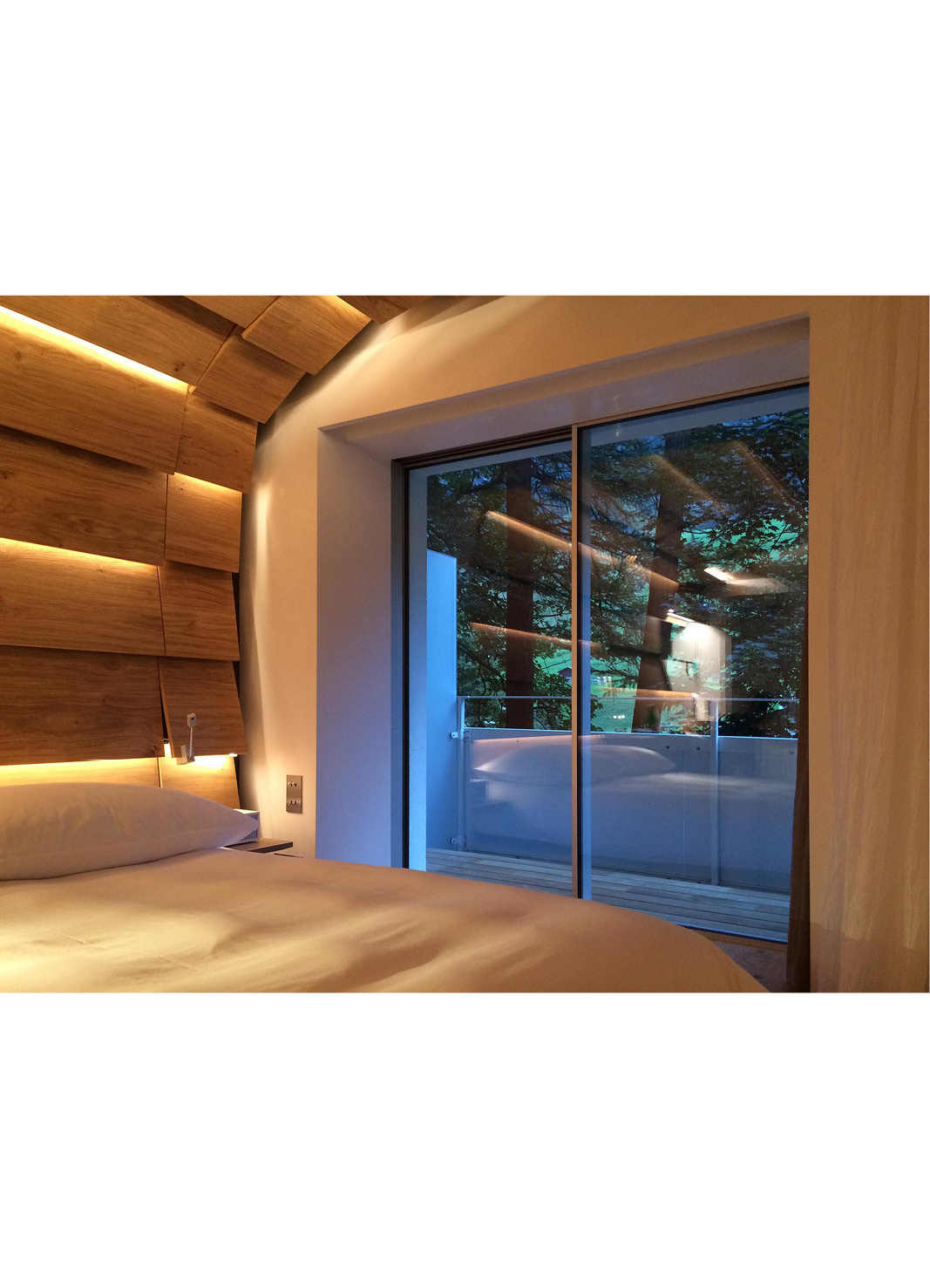
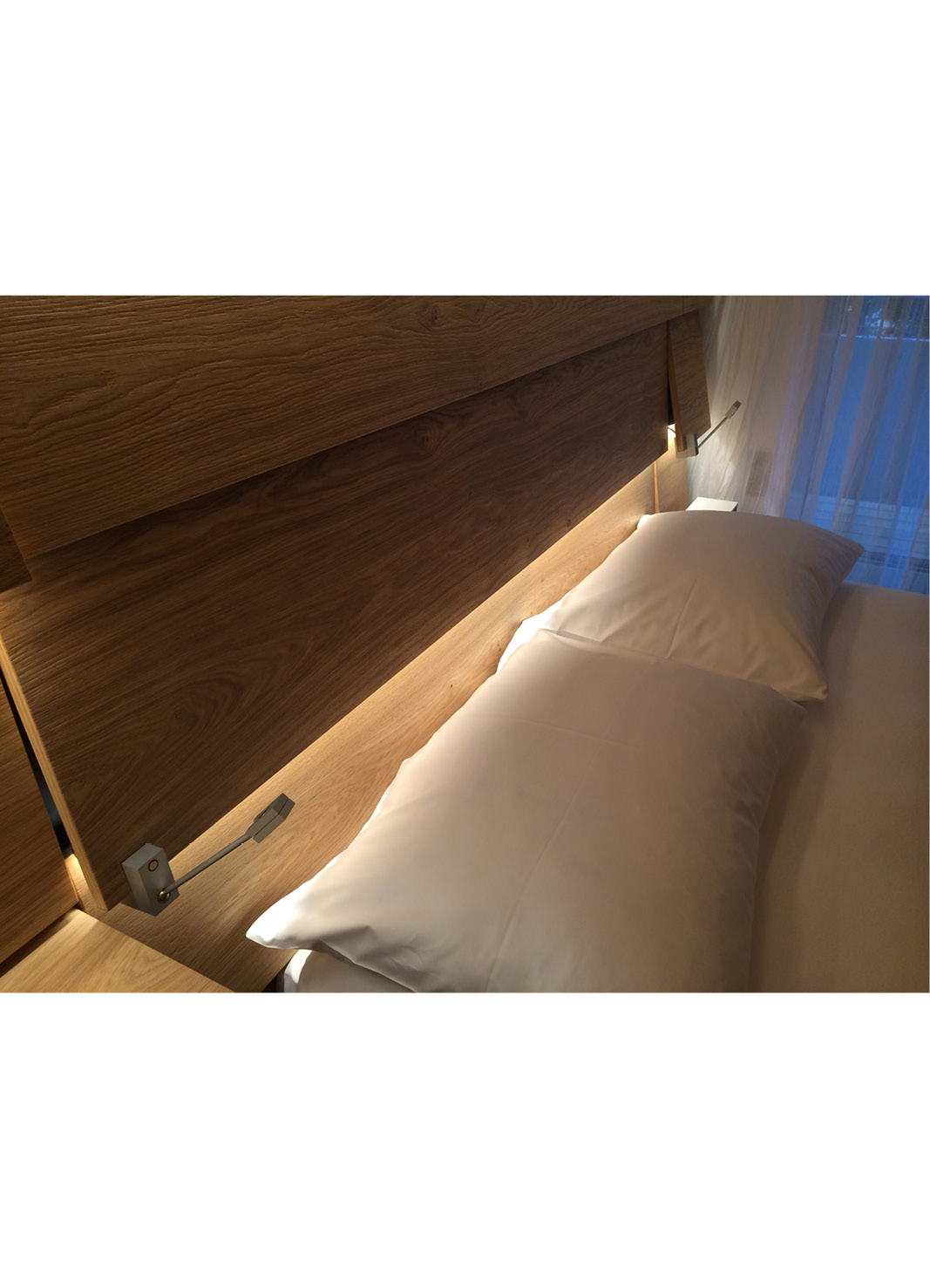
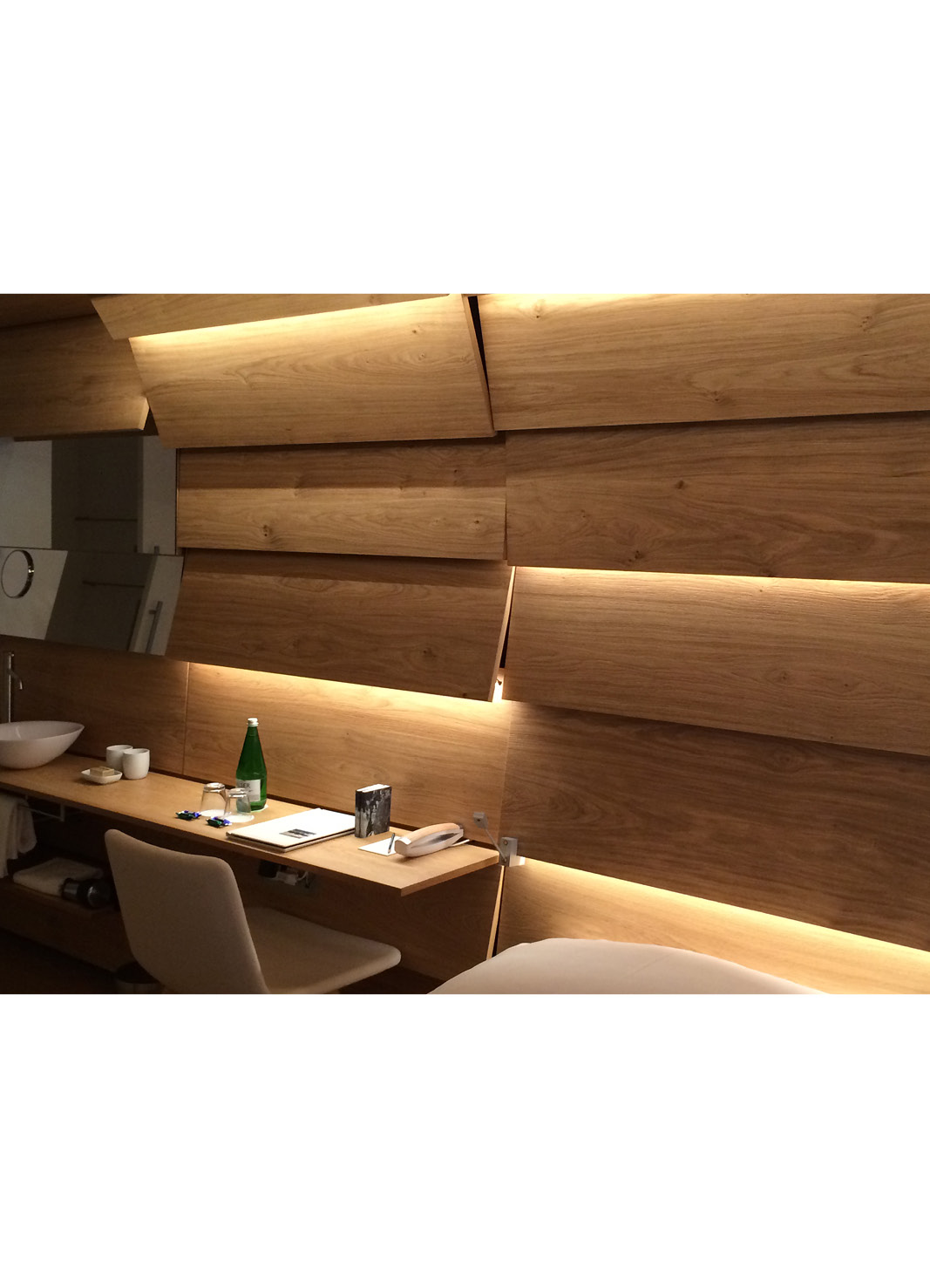
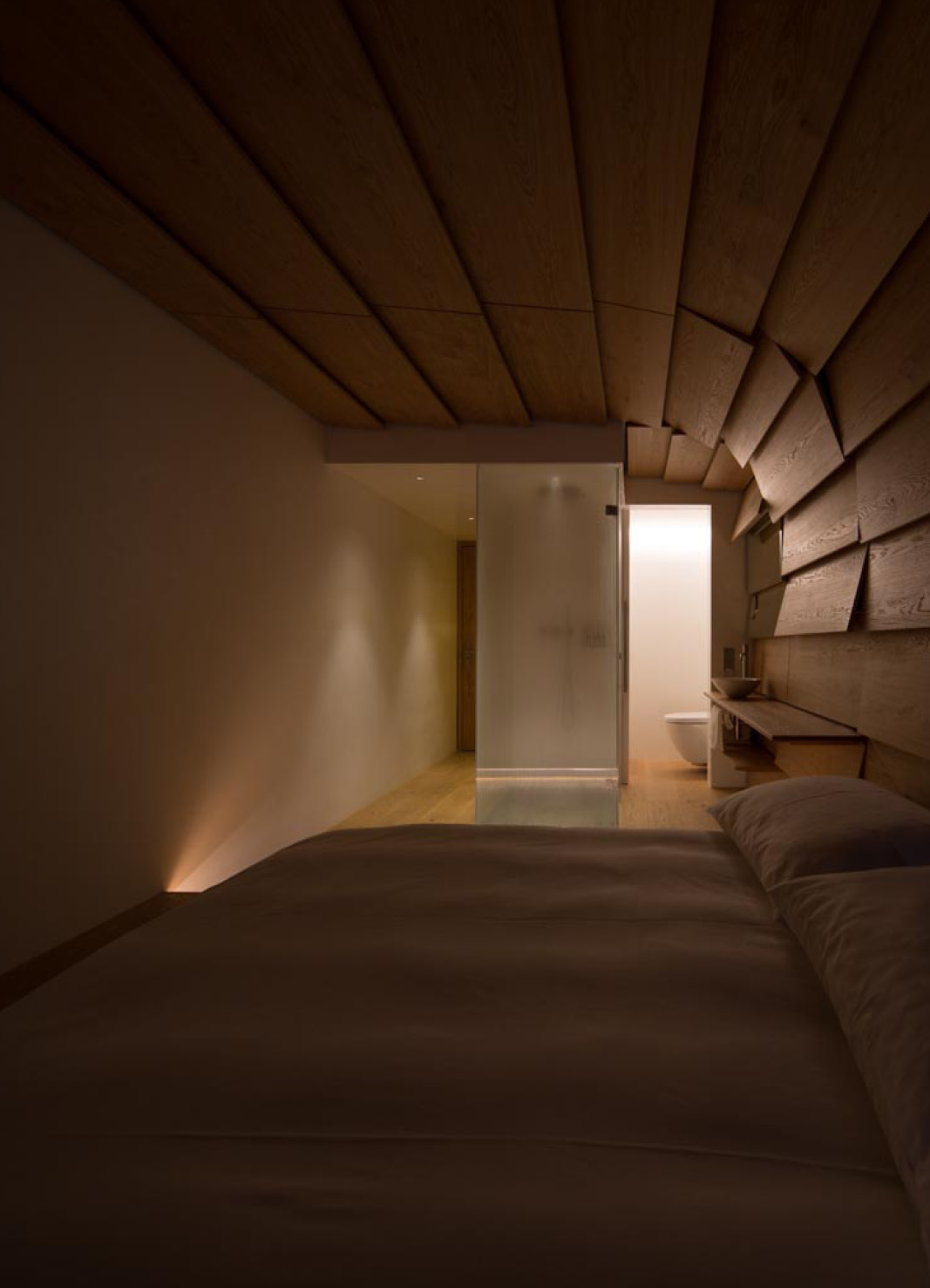
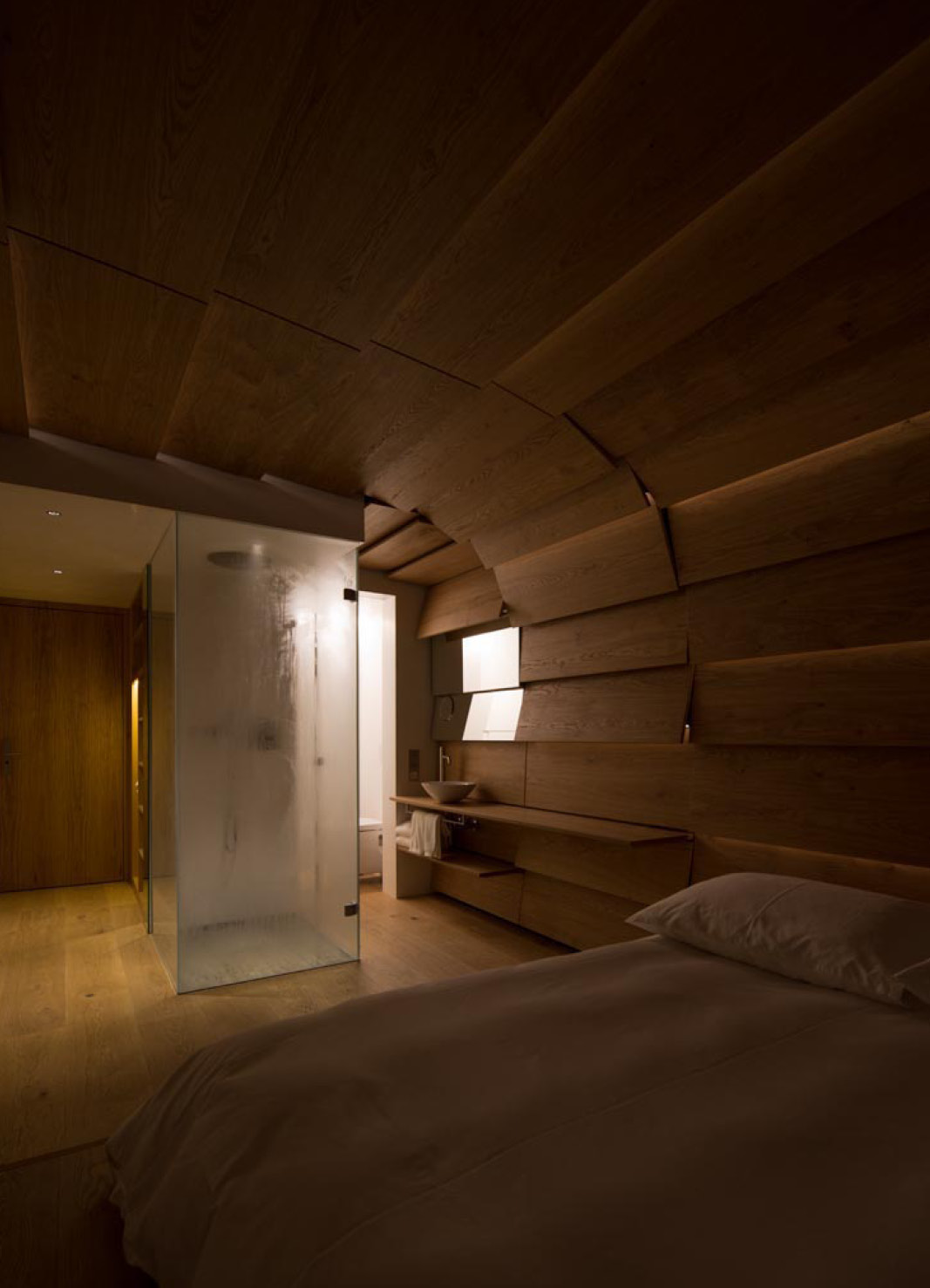
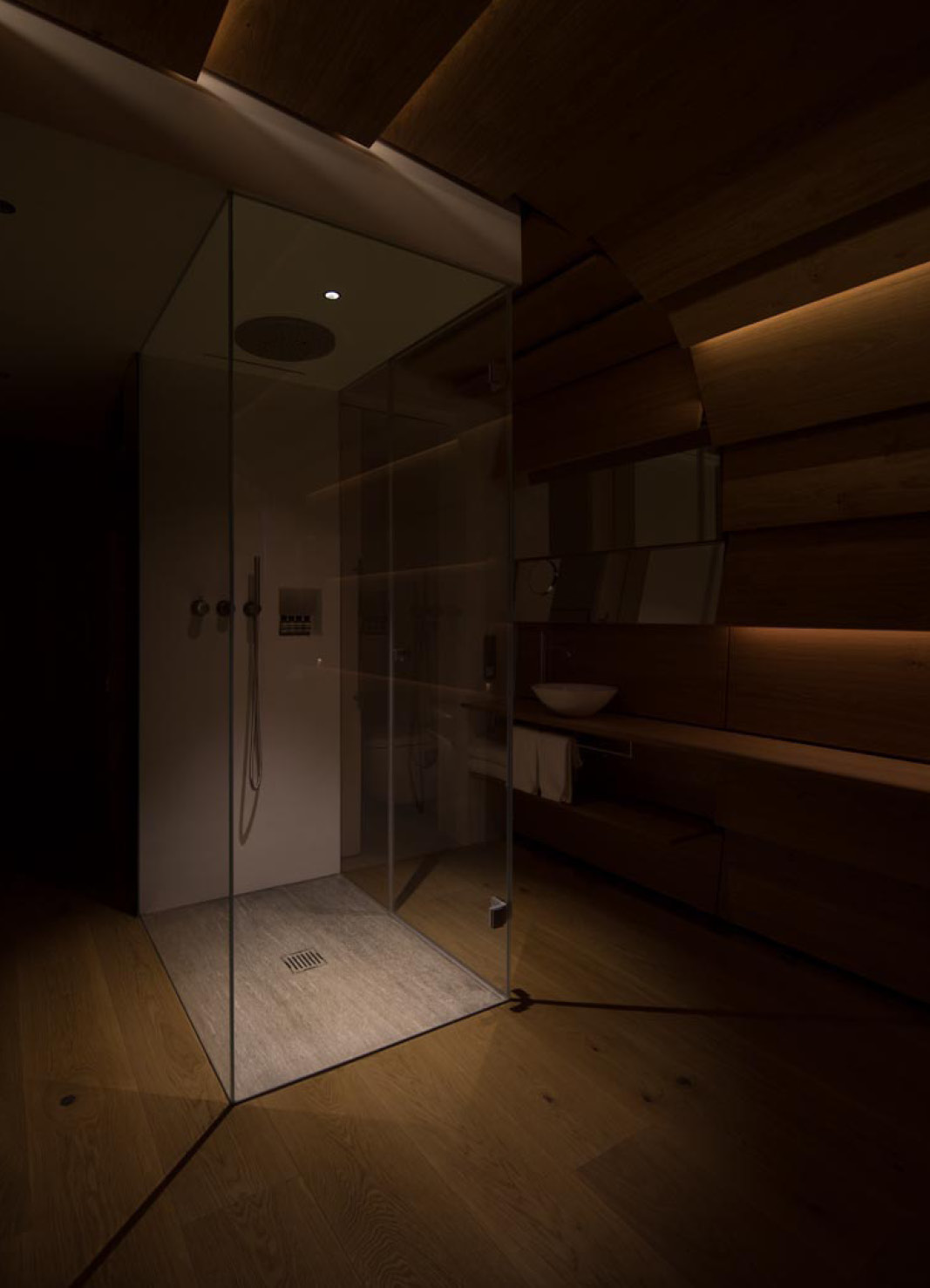
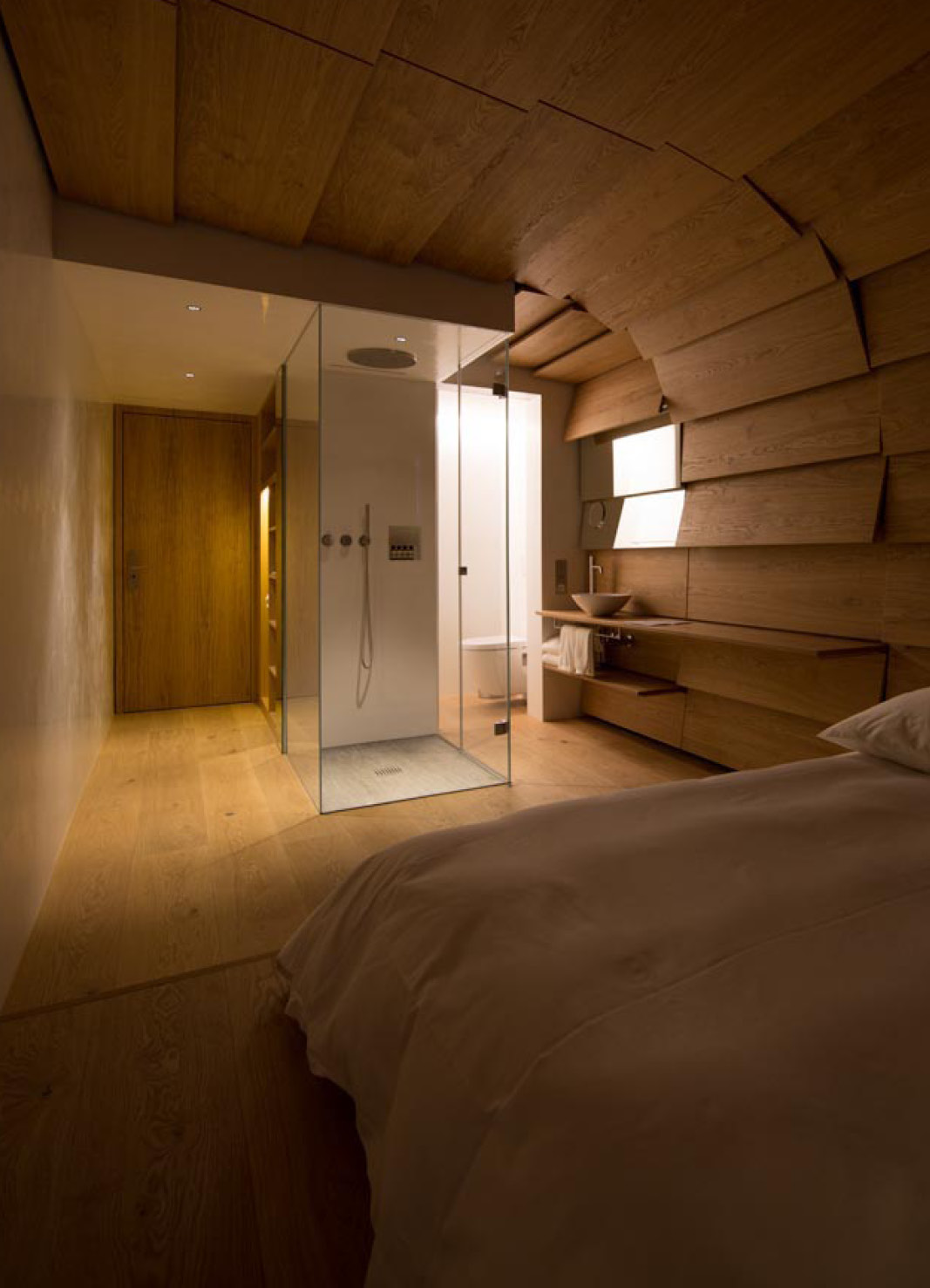
in a small town in switzerland at a height of 1250 m in the canton of graubünden with a population of not much more than 1,012, you will find hotel 7132. since the inauguration in 2004 of the hotel’s adjoining spa complex designed by architect peter zumthor, the small town has become a destination for lovers and connoisseurs of design, a sign of how a project of contemporary architecture is able to engage a huge audience and generate unprecedented tourist activity. a reputation whose growth was contributed to by hotel 7132, the name of which derives from the postcode of the city of vals itself. in fact, since 2012 the hotel has undergone significant restructuring entrusted to internationally renowned architects and it is only recently that the rooms whose design was assigned to the studio of kengo kuma & associates were completed. for the room which iconically bears the name of the architect himself, kengo kuma, man and nature are placed as the gravitational poles of the entire design. the balance between them is planned through a design concept that was conceived in the japanese tradition; its development is based on modern architectural research and it draws its own materials from the environment in which it takes shape. the project aims to deviate from the usual concept of hospitality in order to focus on the original meaning, the archetype of the house, or as a cosy space, full of warmth and intimacy. the whole concept is developed around the essential unit made up of a panel of oak wood 40 centimetres in width, an establishing element that extends up to cover, to encompass and sketch the entire space; each panel, in fact, has been arranged in such a manner that one side overlaps that of the next panel. the lights have been arranged between the panels through the use of arco led; this design choice allows the light to amplify and redefine the spatial distribution on the one hand enhancing the modularity of the base element and on the other the heterogeneity of its application. even the bed was not thought of as a separate element, but integrated into the internal architecture; raised above the floor, it unfolds into a tatami only for sleeping, so for the rest of the time the entire space becomes totally usable and accessible (this is merely a development of what the japanese traditionally do, the idea having simply been applied to the modern context of another country). the strong bond between man, nature and architecture has been expressed by raising a portion of the interior floor that extends to the outdoor terrace, blurring the boundary between the inside and the outside. this increases the perceived size of the room and reduces the impact of the railing on the view of the landscape. the use of local materials, such as wood and stone, follows the same strategy. the folding roof, which reflects the surrounding mountains, is part of the design.
scroll


 Page loaded in: 0.156 - Powered by Simplit CMS