
projects | Viabizzuno progettiamo la luce
discover all the Viabizzuno designs and projects in collaboration with the world’s leading architects and designers.


 en
en
humpis museum - ravensburg district
place:francoforte
project:space4, stoccarda
buyer:città di ravensburg
lighting project:luna lichtarchitektur, karlsruhe
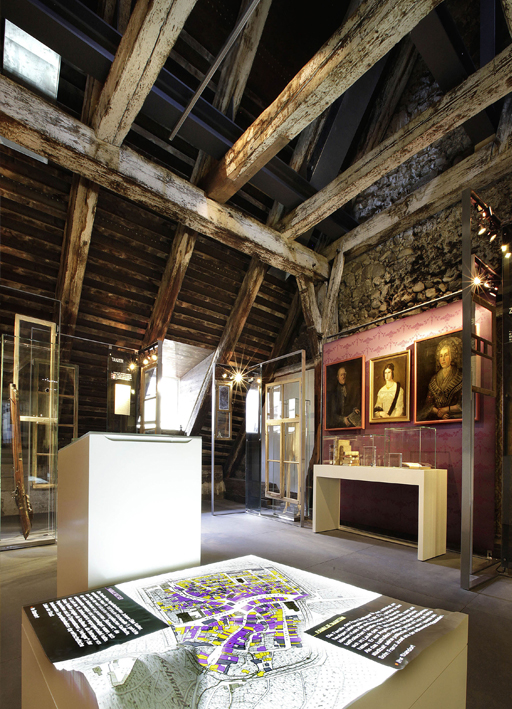
the humpis district is one of the best preserved late medieval residential districts in southern germany. the humpis family of merchants gave the settlement its current layout and features in the 15th century. since the foundation of the city of ravensburg, which dates back to almost 1,000 years ago, people have lived in buildings or palaces that already existed in the humpis district. they have all left traces and the names of most of them are still known to date. this has enabled a genuine and practical narration that is both emotional and personal of the history of both the district and the city of ravensburg. hence the choice of four persons who previously lived there.
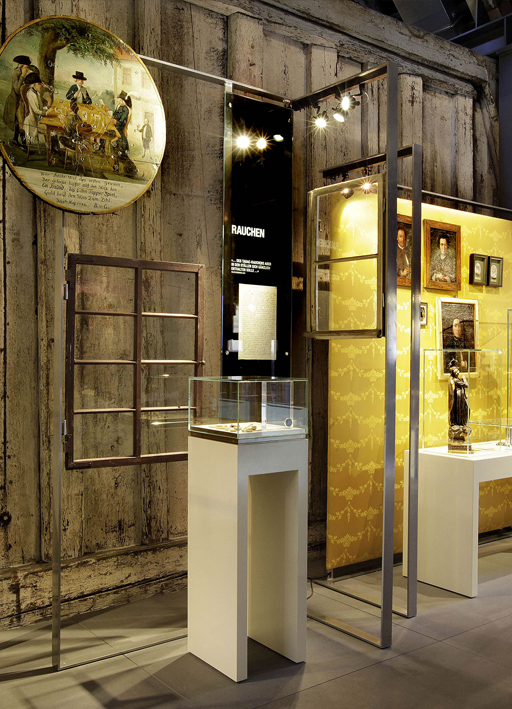
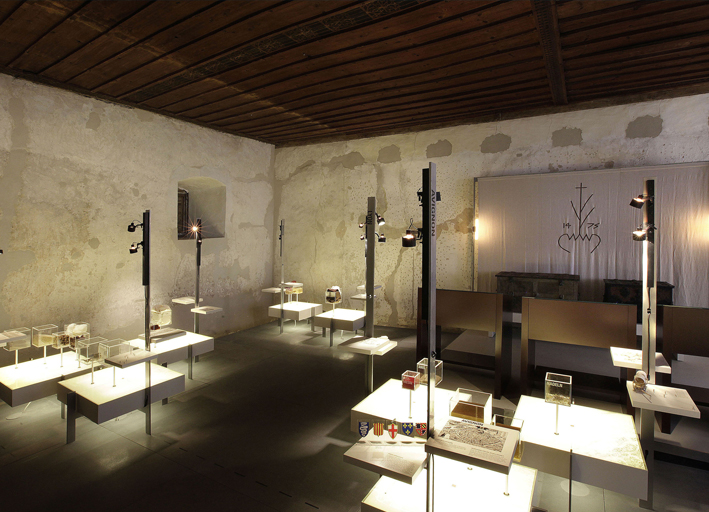
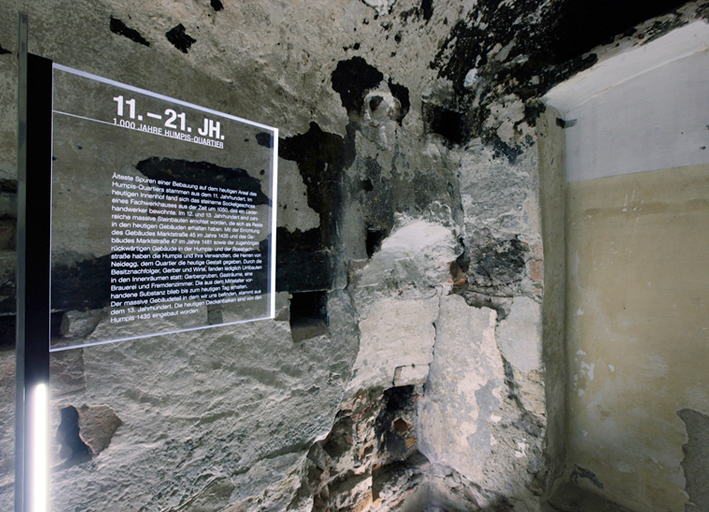
the humpis district - the site of the museum and also an exhibition venue of the utmost importance - was the backdrop to the stories of their lives. the district gives the impression of being an exciting space that can be discovered on foot. with its seven buildings, about 80 rooms, lofts and cellars, it carries you back to the middle ages from whence you step back again into the present. the architectural language of new elements makes room for the existing historical heritage, enhances its effect and clearly stands apart from it without, however, creating a jarring contrast. the well-defined, simplified structure and minimal implementation requirements clearly distinguish the old and the new. the interventions demanded by architectural requirements and, in a broad sense, the work to be performed on historical buildings have been cut down to the bare minimum and clearly remain legible, maintaining a respectful distance. considering the many rooms and intended use of the space, lighting design required the definition of a system that could ensure continuity and order. the designers have developed custom-made lighting systems based on a single light profile. lighting fixtures catch the eye of the observer in all buildings and rooms like structural clasps that have several shapes and multiple functions. they are formally simplified and discrete, distinguished by materials and proportions that are charged with character. renovation works on this heritage of old buildings that meet the demands of the new intended use even from a modern and far-sighted standpoint have enabled the district to further preserve its aura and genuine charm, despite the concurrent construction of a museum that looks to the future.
scroll


 Page loaded in: 0.078 - Powered by Simplit CMS