
projects | Viabizzuno progettiamo la luce
discover all the Viabizzuno designs and projects in collaboration with the world’s leading architects and designers.


 en
en
palazzo dei pio in carpi
place:carpi, modena
project:guicciardini e magni architetti_studio associato; natalizi architetti; politecnica
lighting project:studio balestreri lighting design - barbara balestreri con lisa marchesi
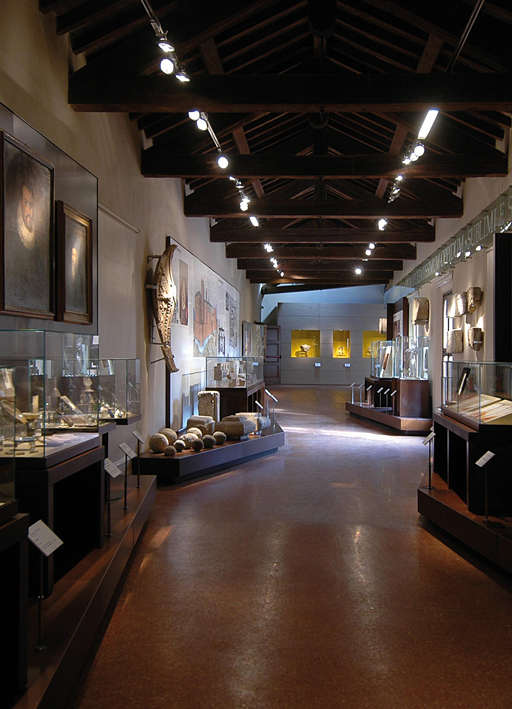
palazzo dei pio in carpi is an example where both the architectural space and the fit-out - and consequently the works exhibited - have a close relationship with the lighting system proposed. after a long period of restoration, it appears today as a coordinated system of three exhibition areas: museo del palazzo, museo della città and museo al deportato.
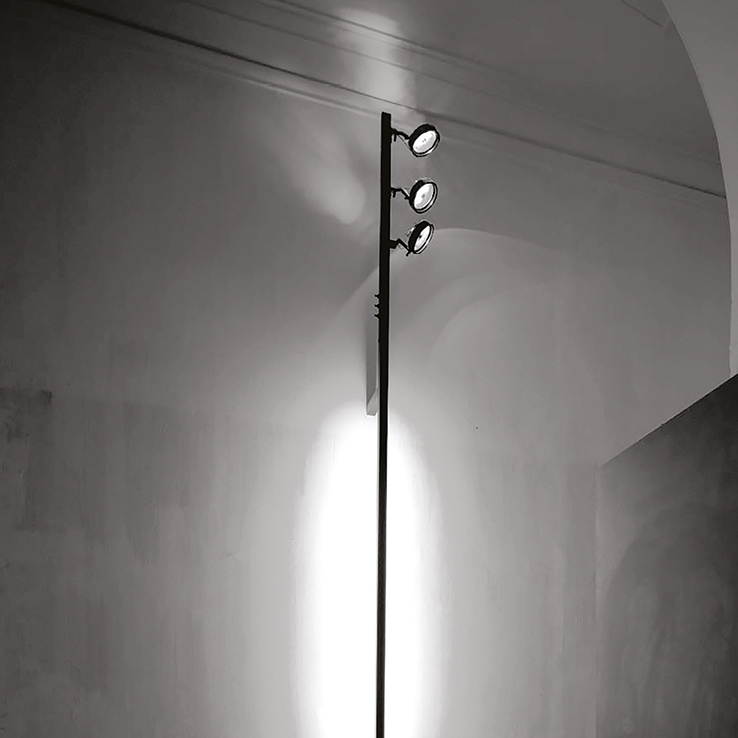
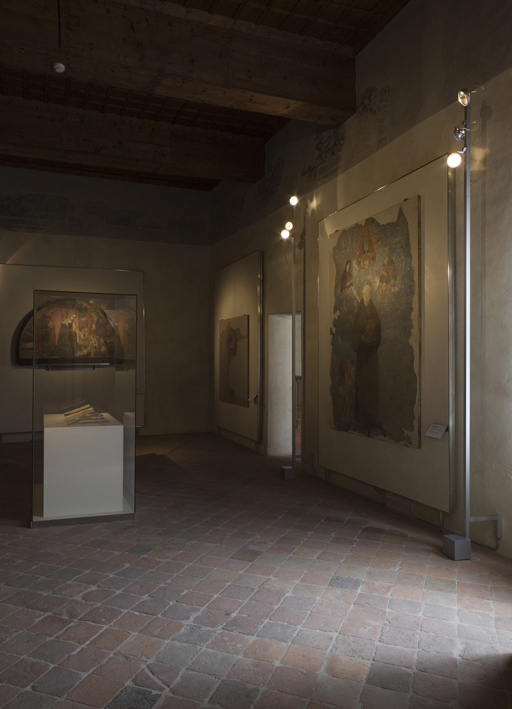
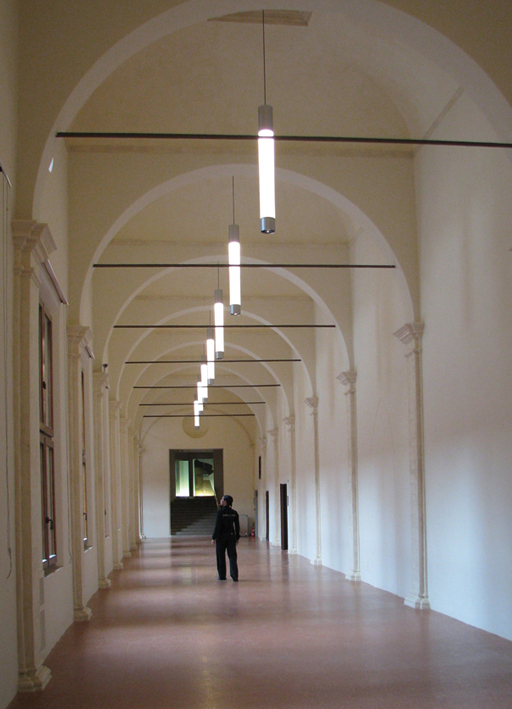
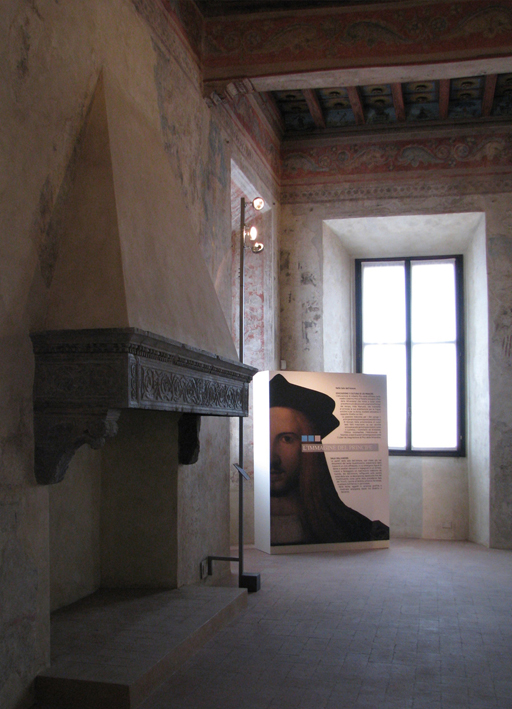
the project began with the design of the lighting system for the main floor, where the museo del palazzo is located, featuring fully frescoed rooms, dating from the mid-fifteenth and early sixteenth centuries. the principal objective of our design was to include elements that were not invasive in terms of aesthetics and conservation of the rooms, with frescos completely covering both walls and ceilings. for the purpose of the new lighting design the floor mounted mosaico system was therefore selected, with a special wall mounting plate that connects the standard lamp to electrical outlets. the highly flexible system incorporates an accent light with adjustable halogen spotlights, a functional diffuse light provided by fluorescent lamps and all the technical elements such as cameras, labels, emergency lighting and extinguisher , etc. … absolutely essential to the site's usability. so the rooms are enveloped in a warm, white, delicate and intangible light that highlights the precious decoration of the walls and timber ceilings, while the works in the display cases are accentuated with a direct, concentrated light. the second project involved the floor of the city museum and the open gallery on the main floor. the museum exhibits the artistic and craftsmanship resources from the old civic museum founded in 1898. the system designed allowed for the installation of ceiling tracks with special fittings for diffused and fluorescent lighting (to be used both as emergency and service lighting) and fittings for direct light, with warm white, dimmable halogen lamps that, with the aid of special lenses and light beams with different angles of spread, created a play of accent lighting on the 'works' of all variety on display. the open gallery on the main floor, with an architectural rhythm articulated with vaults and windows, is primarily a circulation route but, on some occasions, is used for temporary exhibitions. from a design point of view, the installation of a new lighting system in this area represented a significant stage of the whole project. while on the one hand it was necessary to add a formal element in harmony with the architecture, on the other it was important to make this special place come alive with light. the initial input was to design a special fitting to revive the concept of suspended lighting, typically used for lighting galleries but in a new formal guise to give emphasis to the environment in which it was installed. so the principio suspended light fitting was designed, the name being inspired by that of palazzo dei pio. the fittings are suspended from the centre of each of the gallery's vaults, creating a captivating visual rhythm and at the same time providing adequate warm and welcoming lighting that can both enhance the architecture of the space and make it more usable. the fitting has a highly original appearance and incorporates the option of producing two different types of lighting, an atmospheric light and a more functional and direct, downward light, for use also in conjunction with temporary exhibitions. the lighting design concludes with a study for certain areas of the city museum floor reserved for conferences, receptions and temporary exhibitions; in this case too, in answer to the specific architectural, aesthetic and functional requirements, special track mounted fittings were created, in line with the system adopted in the museum.
scroll


 Page loaded in: 3.026 - Powered by Simplit CMS